Understanding SMP Longevity, Fading, and Proper Maintenance Reading time: 12–15 minutes Scalp micropigmentation is a long-lasting hair-loss solution, but maintaining healthy skin plays an important role in keeping your results looking sharp. Learn what causes SMP to...
Will Scalp Micropigmentation Help My Hair Loss?
Published On
Every Hair Loss Situation Is Different
Advanced Hair Loss & Baldness
Introduction
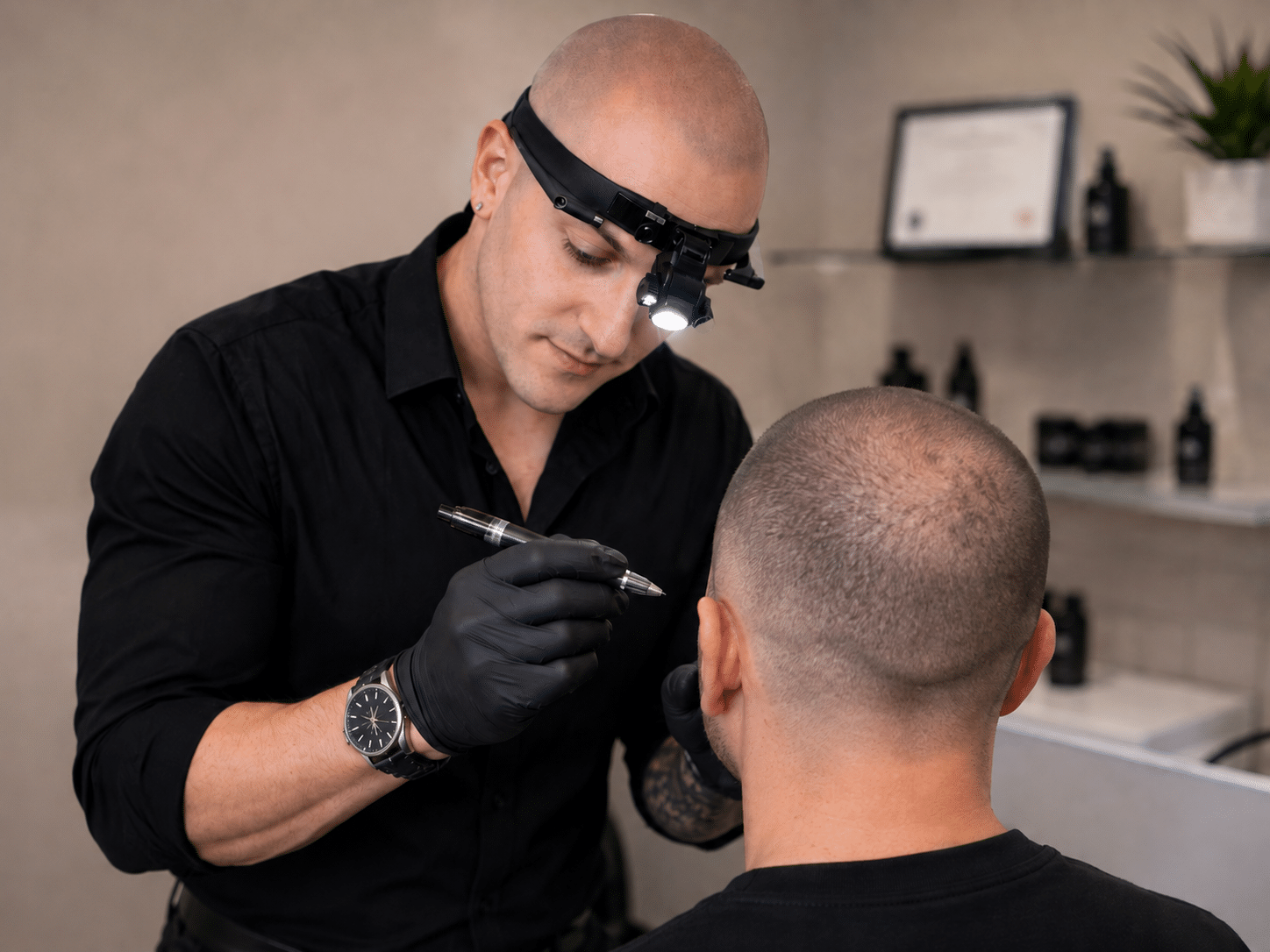
Hair loss doesn't look the same for everyone. Some people experience a receding hairline or bald crown, others have diffuse thinning throughout the scalp, and many women notice widening parts, thinning edges, or increased scalp visibility. So one of the most common questions I hear is: “Will scalp micropigmentation actually help my hair loss situation?” In many cases, the answer is yes—but the type of result you can achieve depends on how much hair you've lost, where you've lost it, how you currently wear your hair, and what you expect the finished result to look like. Scalp micropigmentation is extremely versatile. It can recreate the appearance of a full shaved head of hair, strengthen a receding hairline, reduce visible scalp beneath thinning hair, add visual density after a hair transplant, and camouflage certain scars and patterns of hair loss. But these are very different situations, and they shouldn't all be treated the same way. The goal of a professional SMP consultation isn't simply to determine whether SMP can be performed. It's to determine how SMP can realistically improve your particular hair loss situation and which approach will produce the most natural result.
Will scalp micropigmentation help my specific hair loss situation?
In many cases, yes. The result depends on how much hair you've lost, where you've lost it, how you wear your hair, and what you expect the finished result to look like.
What Types of Hair Loss Can Scalp Micropigmentation Help?
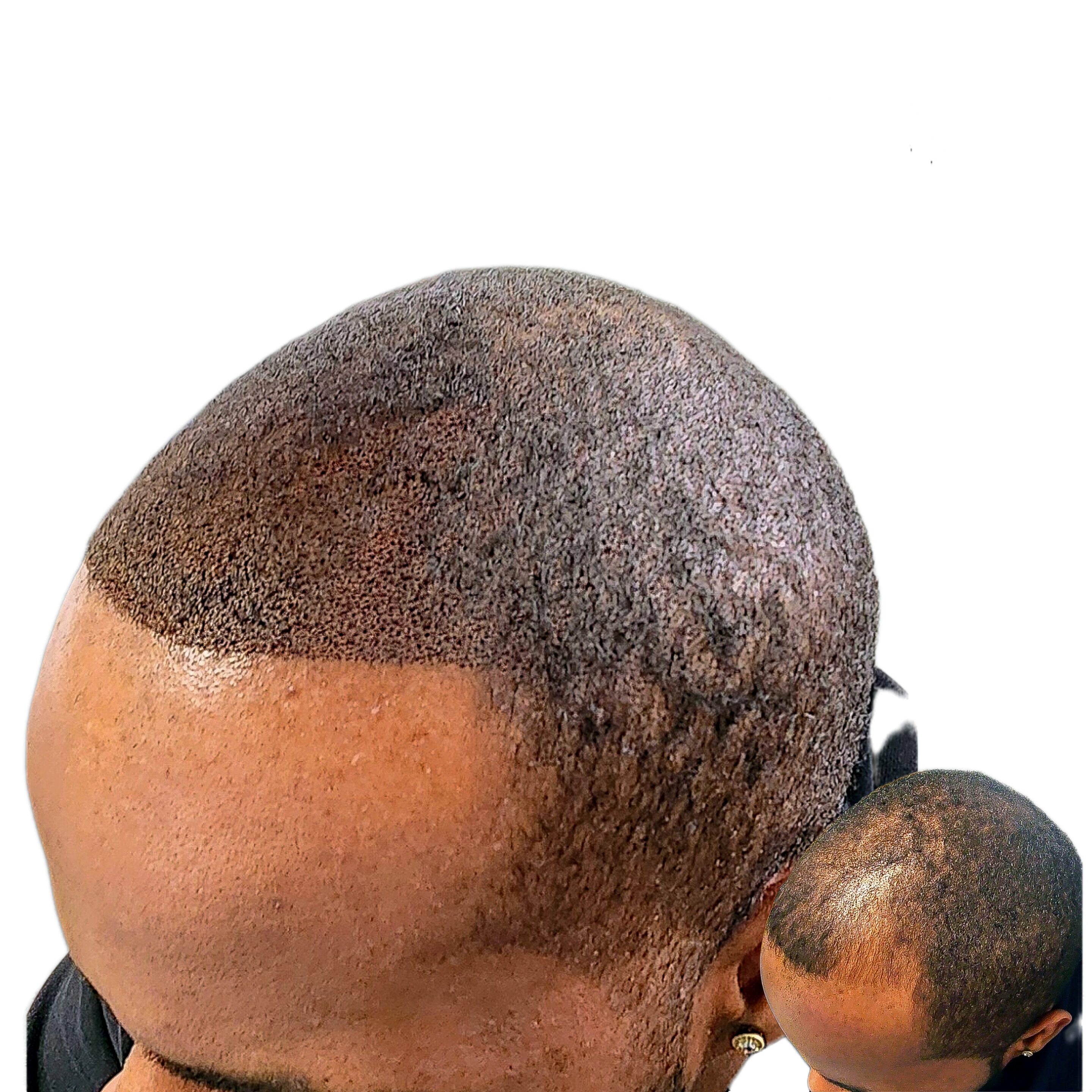
Scalp micropigmentation can help many different types and stages of hair loss. The key is choosing the right SMP approach for the amount of existing hair you have and the result you're trying to achieve. SMP can be used for male pattern baldness, receding hairlines, bald crowns, diffuse thinning, female pattern hair loss, thinning edges and sides, traction alopecia, certain forms of alopecia, hair transplant density, and FUE or FUT transplant scars. The important thing to understand is that SMP does not regrow hair. Instead, it uses carefully placed follicular impressions to reduce the contrast between your hair and scalp or recreate the appearance of follicles where hair has been lost. How those impressions are used depends entirely on your individual hair loss situation. Then we'll move to the next fields underneath, where we can start breaking down the different hair-loss situations individually.
Hair Loss Situations SMP Can Help
What Scalp Micropigmentation Cannot Do
Common Myth
You have to be completely bald for scalp micropigmentation to work.
SMP can also work with existing hair.
The Key to Natural SMP Results
Advanced Hair Loss or Complete Baldness
If You Have a Receding Hairline
If Your Crown Is Thinning
If You Have Diffuse Thinning or Longer Thinning Hair
Can SMP Help Women With Thinning Hair?
Can SMP Help Traction Alopecia and Thinning Edges?
Can SMP Add Density After a Hair Transplant?
Can SMP Camouflage FUT and FUE Hair Transplant Scars?
Can SMP Help With Alopecia?
What If I Want to Keep My Hair Longer?
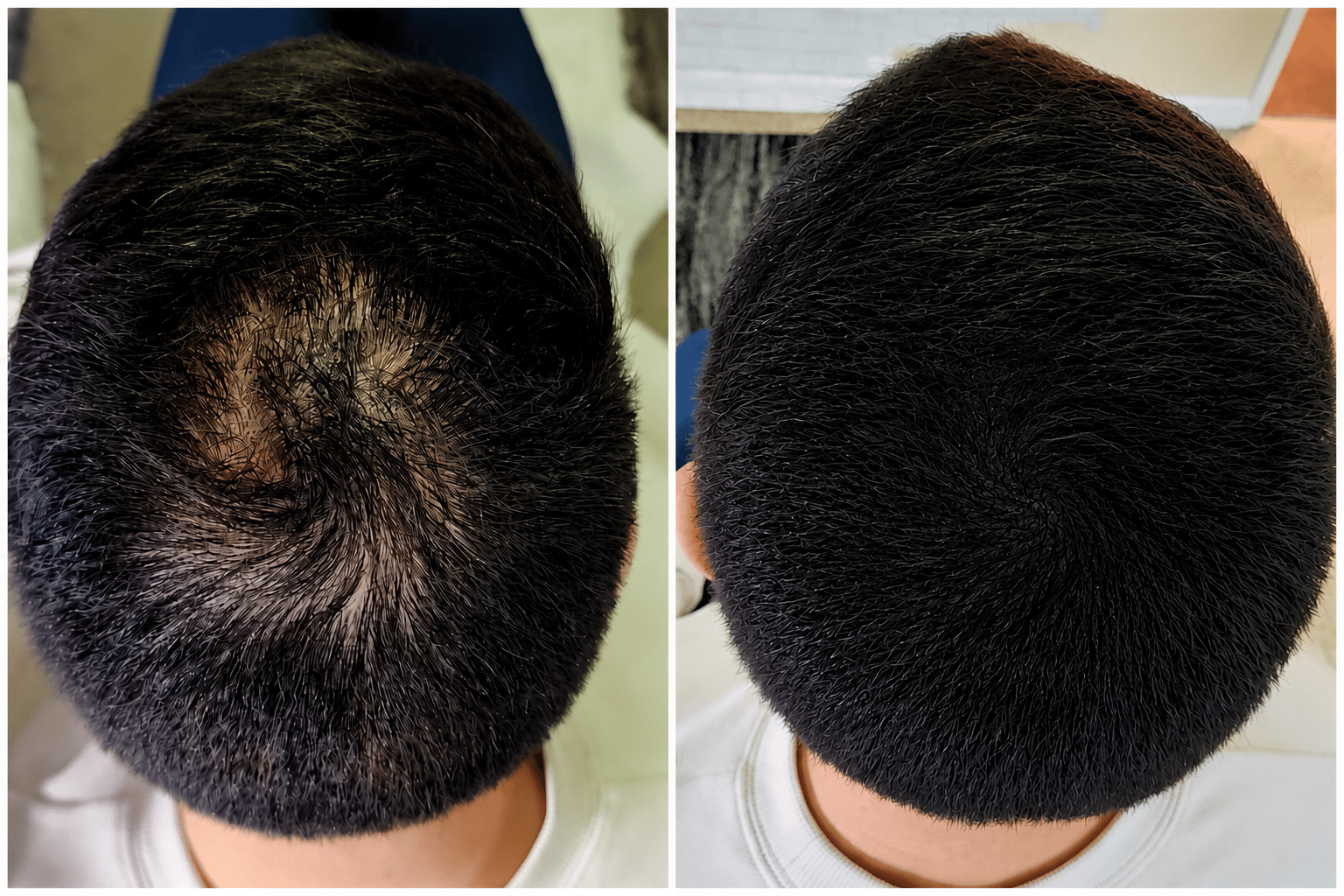
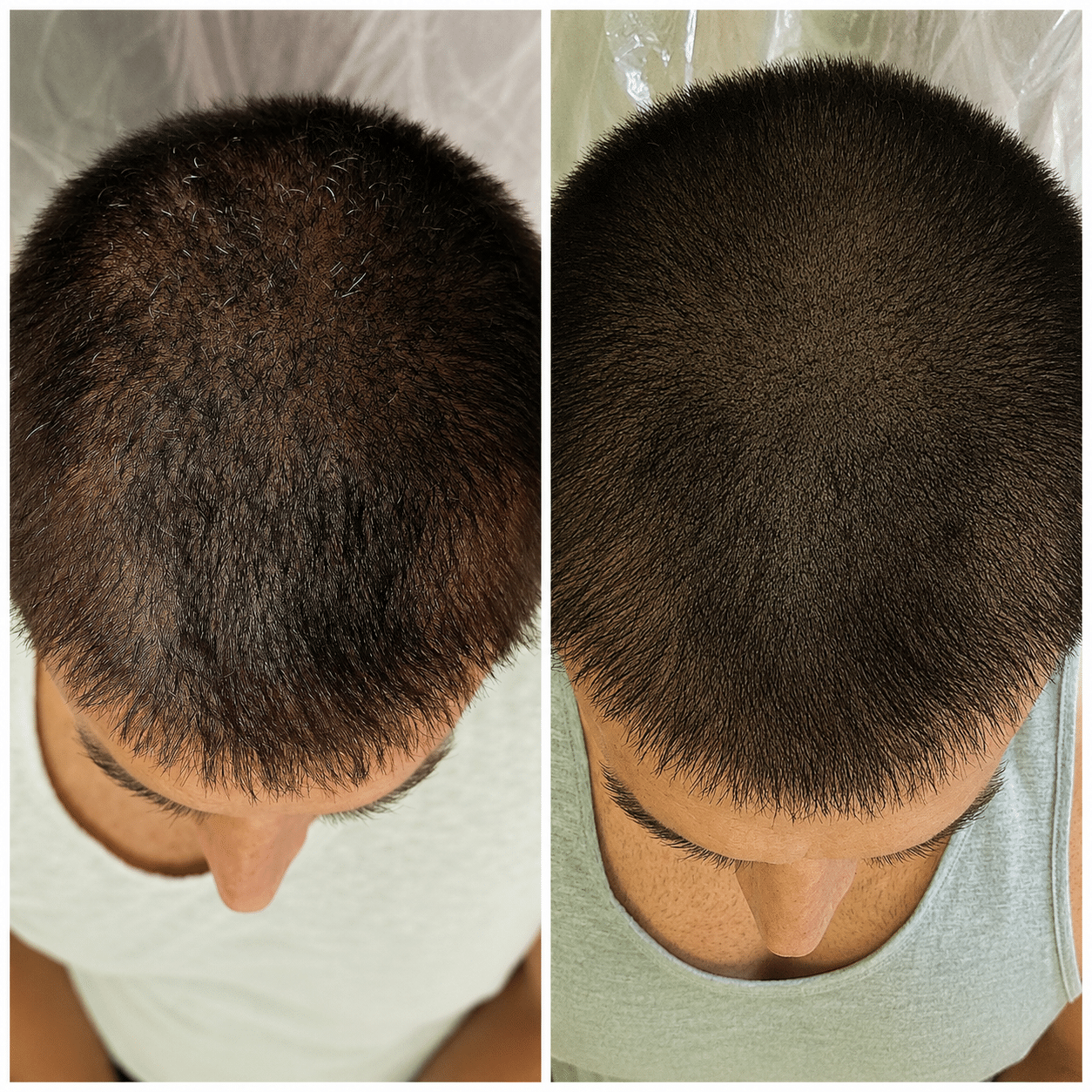
Yes, some clients can keep their hair longer and use SMP to create the appearance of additional density. This works best when there is still enough natural hair throughout the thinning area for the follicular impressions to blend into. SMP reduces the contrast between the hair and visible scalp, making thinning areas appear fuller. However, SMP creates the appearance of follicles at scalp level—it does not create actual hair strands. For that reason, the more advanced the hair loss becomes, the harder it is for SMP to visually compete with longer surrounding hair. Clients who have invested in hair transplants may also prefer to maintain their existing length and use SMP to improve the appearance of density. That's completely reasonable as long as the client understands what SMP can realistically achieve.
Frequently Asked Questions
How do I know if scalp micropigmentation will work for my hair loss?
Do I have to shave my head for scalp micropigmentation?
Can SMP help if I still have a lot of hair?
Can SMP help after a hair transplant?
What types of hair loss can scalp micropigmentation help?
About the Author

John Toti
Related Educational Guides
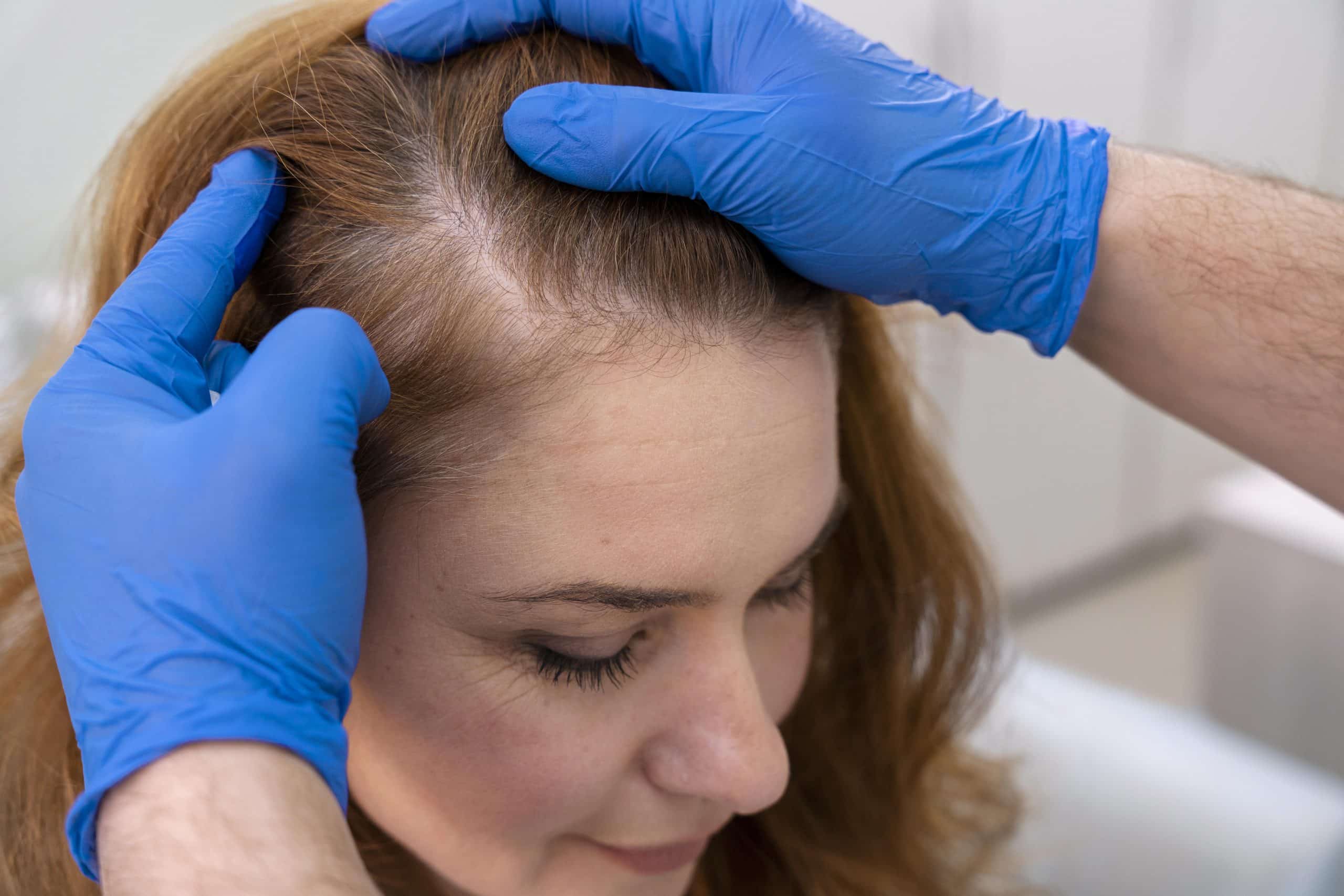
Why Professional Scalp Micropigmentation Uses Dots Instead of Lines
Scalp Micropigmentation for African American Women in Boston, Milton, Quincy & Dorchester
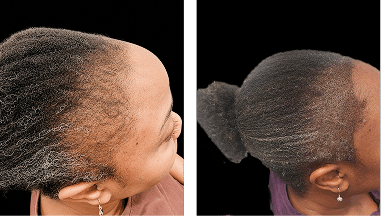
Scalp Micropigmentation for African American Women in Boston, Milton, Quincy & Dorchester For many African American women, hair loss is not a small cosmetic issue. It affects confidence, styling choices, daily routines, and the way you feel when you look in the...
Ready to take the next step?
Book a free consultation with John to discuss your goals and create a personalized treatment plan.

How Long Does Scalp Micropigmentation Last?
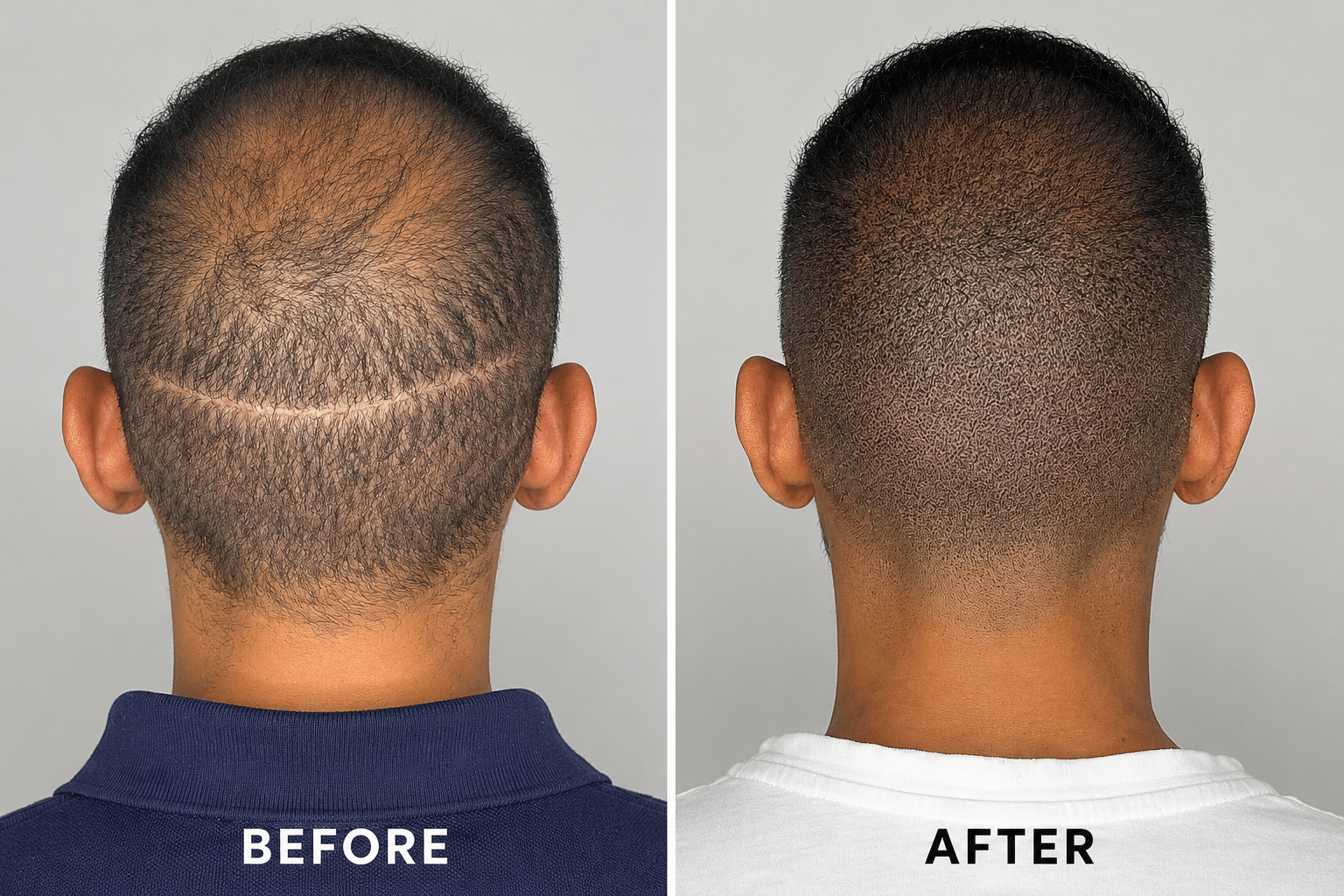
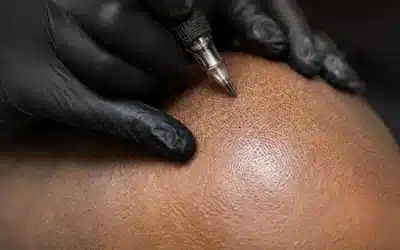
Understanding SMP Longevity, Fading, and Proper Maintenance Reading time: 12–15 minutes Scalp micropigmentation is a long-lasting hair-loss solution, but maintaining healthy skin plays an important role in keeping your results looking sharp. Learn what causes SMP to...
Why Professional Scalp Micropigmentation Uses Dots Instead of Lines

Need Help Deciding?
Book a free consultation to discuss your goals and find the right approach for you.