

Why Professional Scalp Micropigmentation Uses Dots Instead of Lines
Discover the science, artistry, and healing principles that make dot technique the gold standard for natural, lasting results.
Reading Time:
Published On
July 17, 2026



Evidence-Based Education:
Every guide is based on science, proven techniques, and my real clinical experience.
Unbiased & Honest:
You'll receive honest, unbiased comparisons so you can make informed decisions with confidence.
12+ Years of Experience:
I've spent more than 12 years performing scalp micropigmentation and have helped thousands of clients achieve natural-looking results.
Focused on Healed Results:
I believe healed results not fresh photos are the true measure of quality, because that's what you'll live with every day.
Introduction
Learn why professional scalp micropigmentation uses dots instead of lines and how healed results—not fresh photos—determine quality. One of the questions I'm asked most often is why I use dots instead of hair strokes. In this guide, I'll explain the science behind the dot technique, how it heals, and why it consistently delivers the most natural, long-lasting results.
Expert Advice
After more than 12 years performing scalp micropigmentation, I've seen firsthand that the dot technique heals more naturally, lasts longer, and creates a more realistic appearance than hair strokes. That's why I focus on healed results—not just how a treatment looks on day one. — John Toti
Dots vs Hair Strokes
While both techniques aim to replicate the appearance of hair, they heal very differently. Understanding these differences can help you choose a technique that delivers natural, long-lasting results.
Dots (Follicular Impressions):
Replicates natural hair follicles
Heals soft and consistent
Resistant to blurring
Creates true density
Hair Strokes (Lines):
Sits in a line, not a follicle
Higher risk of blurring
Can look artificial
Does not create density
Common Myth
Myth
Hair strokes look more natural than dots.
Fact
Healed results from dots look more natural because they replicate the way real hair follicles appear.
Consumer Tip
The real difference isn't how SMP looks immediately after treatment—it's how it looks once it's fully healed. That's why I focus on creating natural-looking healed results that stand the test of time.
The Healing Process
When the skin heals, ink spreads slightly. Dots have room to soften and blend naturally. Lines, on the other hand, tend to blur and can look thicker or uneven.
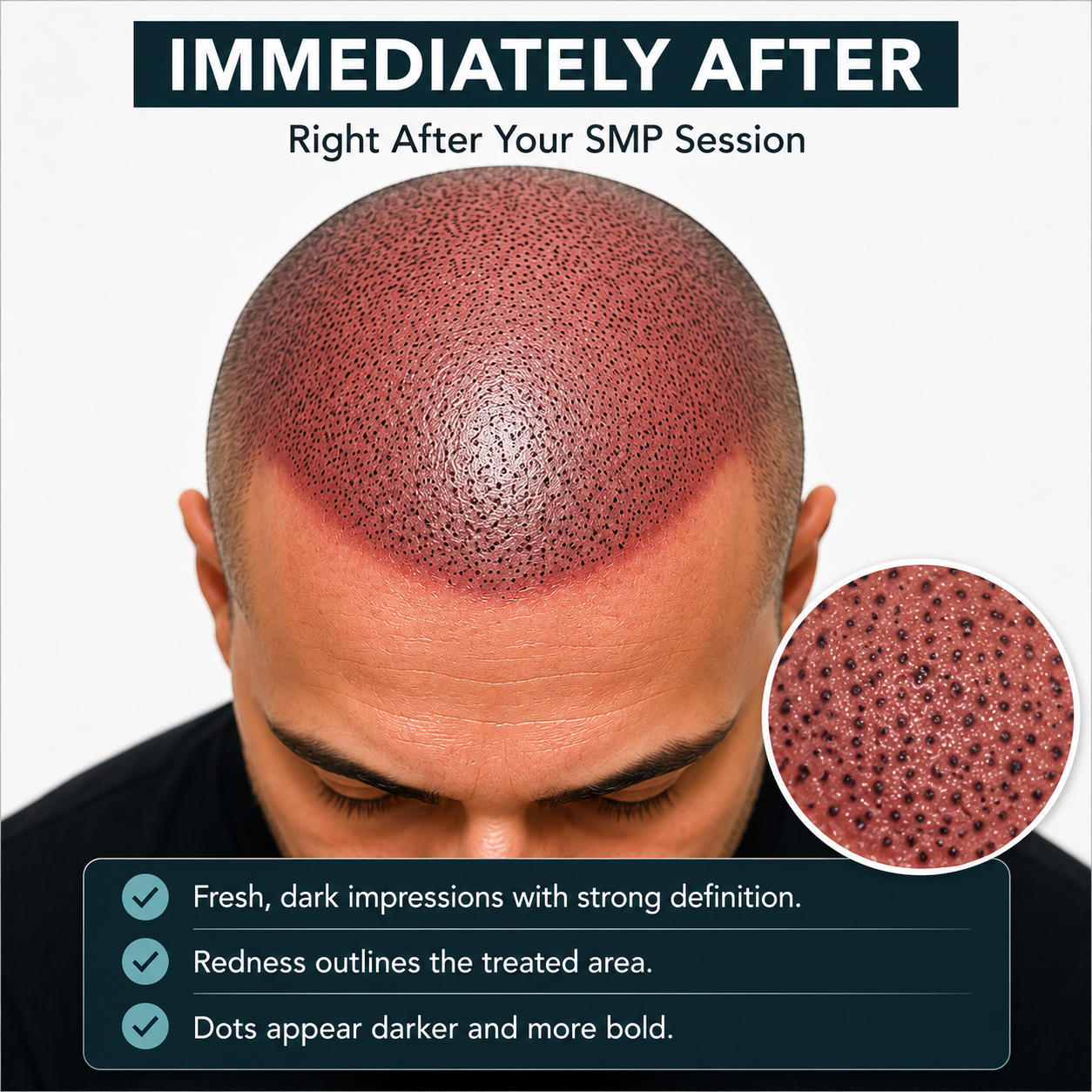
Immediately After
Dots are crisp and well-placed. Fresh, dark impressions show strong definition while redness outlines the treated area, making the dots appear darker and bolder right after your session.
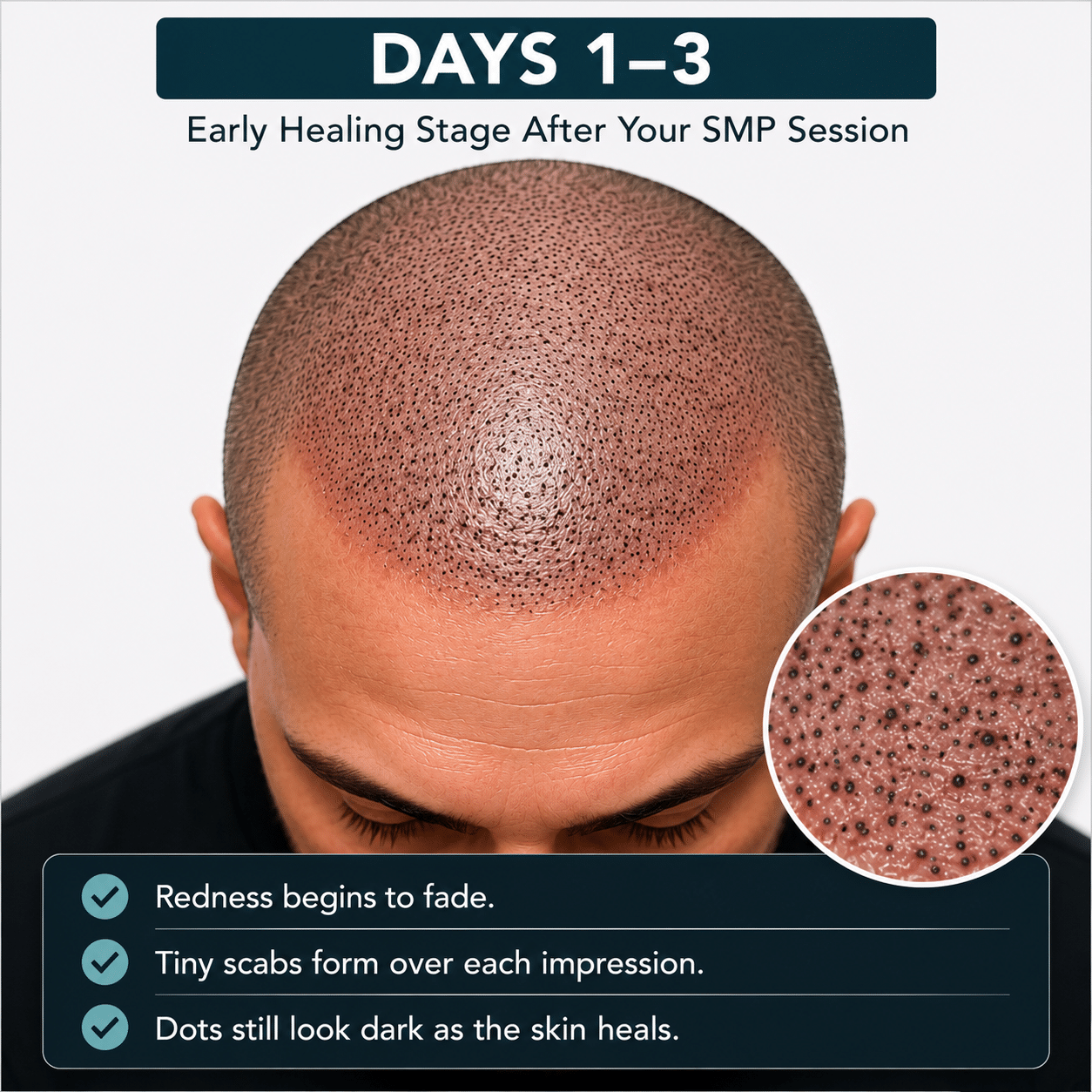
Days 1–3
Minor swelling and ink settles. During this early healing stage, redness begins to fade as tiny scabs form over each impression, though the dots still look dark as the skin heals.
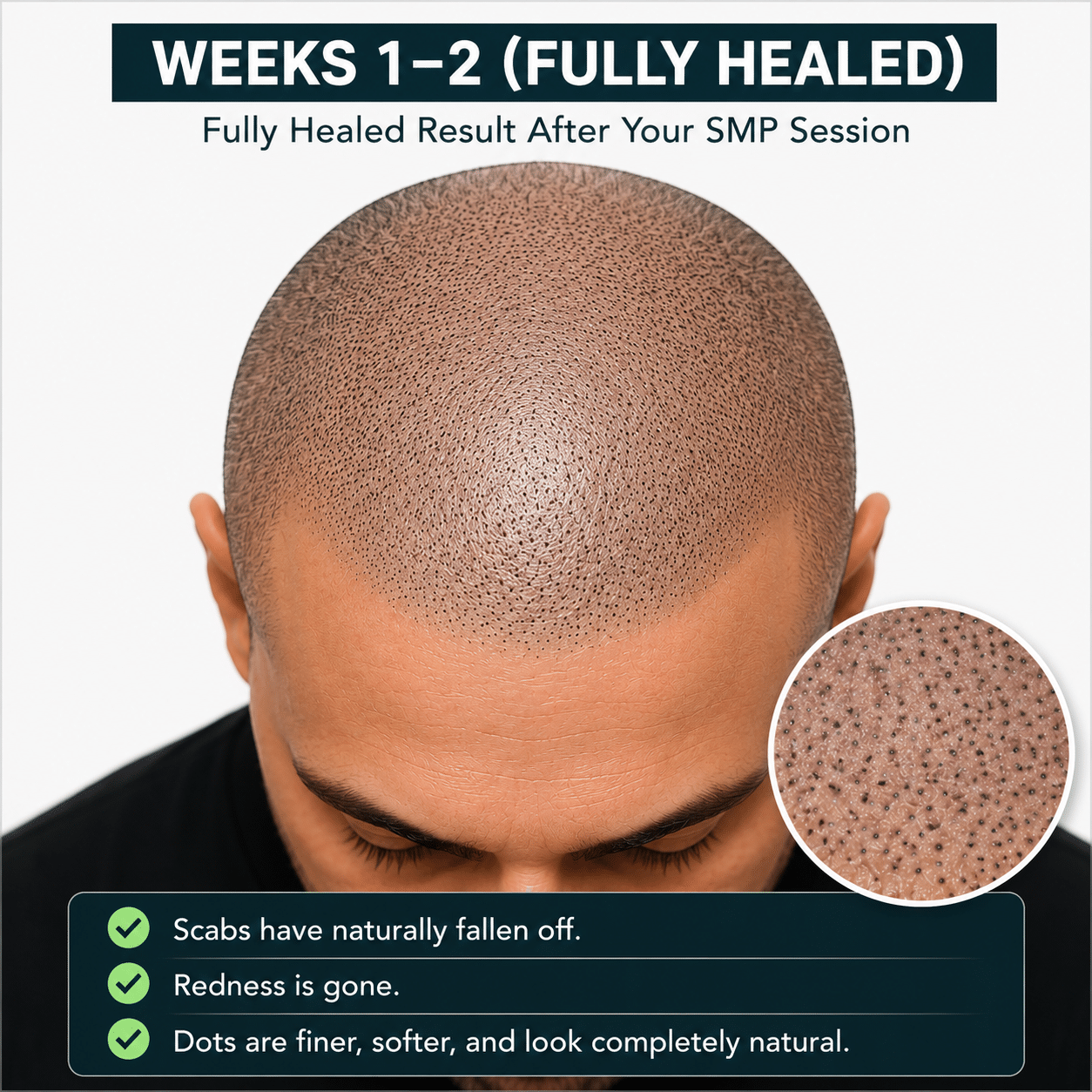
Healed Result
Natural, soft, and realistic density. Once scabs have naturally fallen off and redness is completely gone, the dots become finer, softer, and look completely natural for a fully healed result.
Hair Strokes (Lines) – Why They Don’t Heal Well
Lines may look normal right after the procedure, but healing causes them to blur and spread because they are placed too deep and migrate into each other. This results in inconsistent, blue-green, blown out lines that look unnatural.
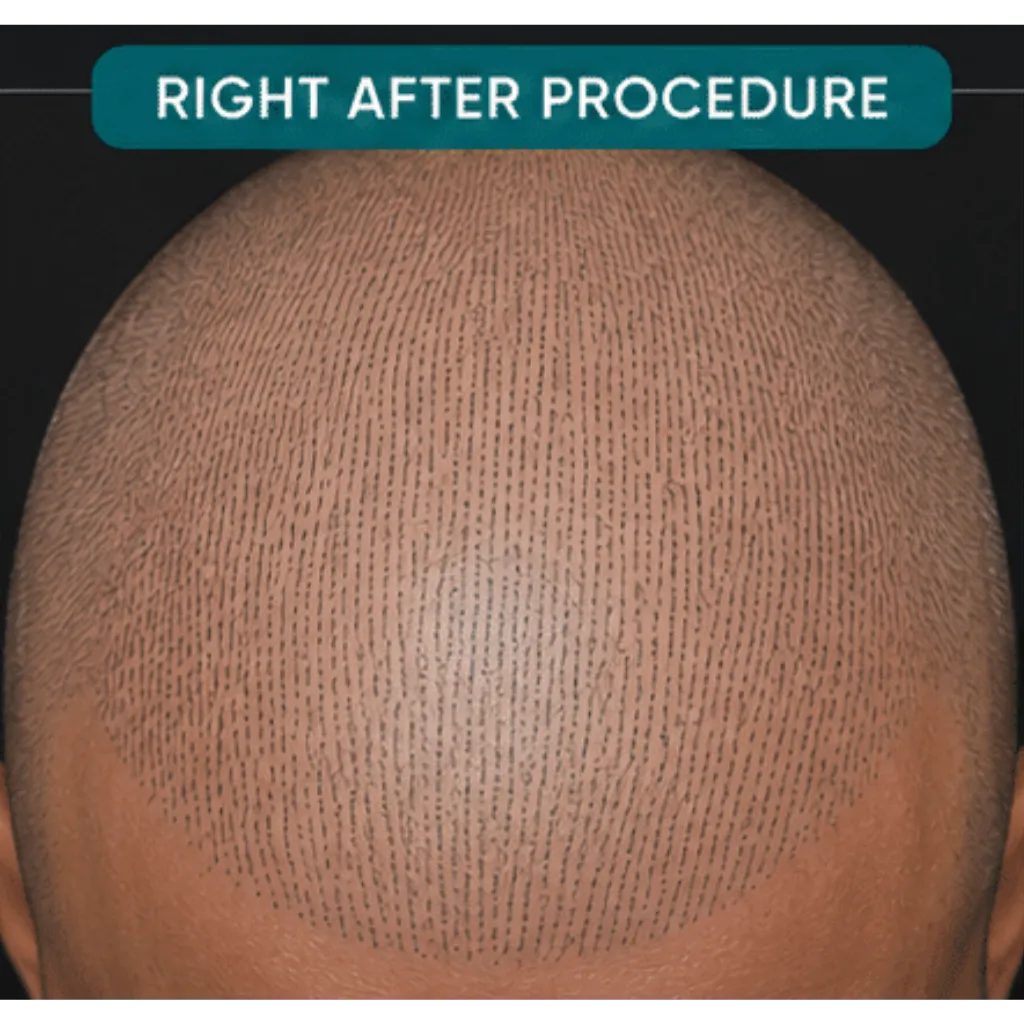
Right After
Lines look sharp, clean and natural. Everything appears perfect right after.
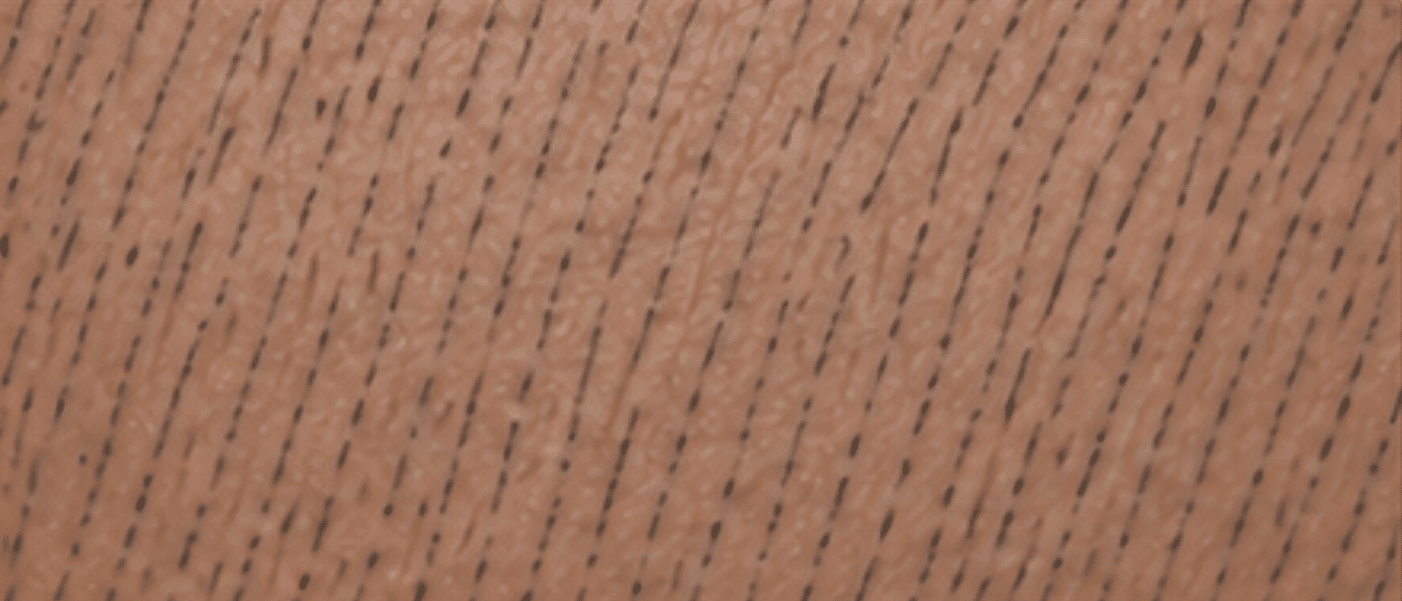
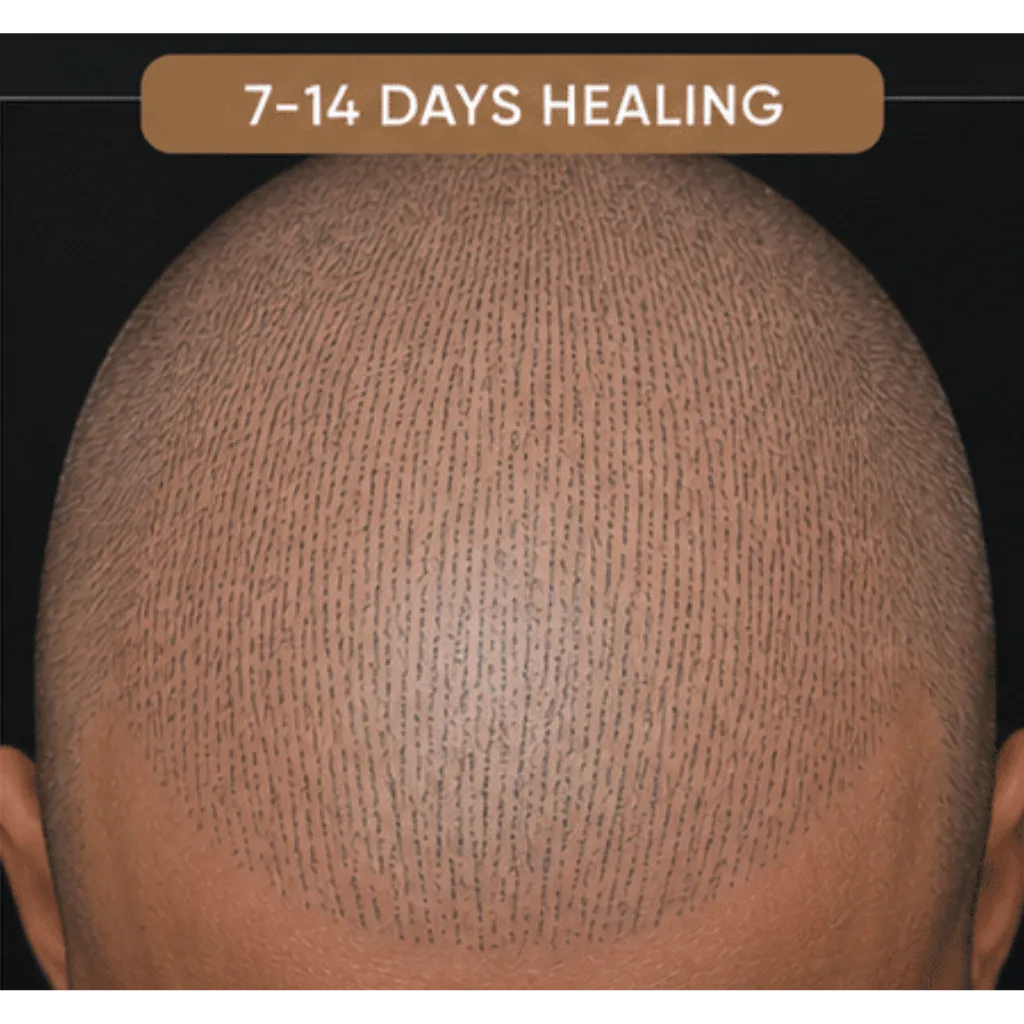
During Healing
Lines start to blur and soften. Ink spreads under the skin. Strokes begin to lose definition. Patchy and uneven appearance.
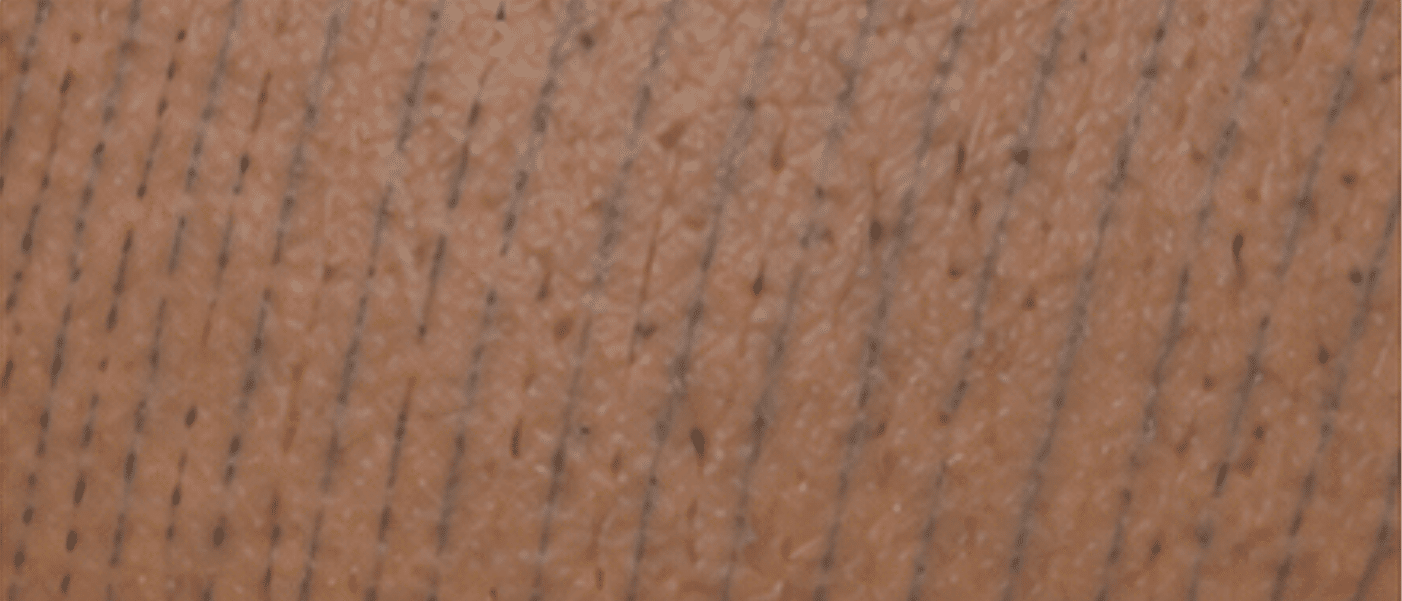
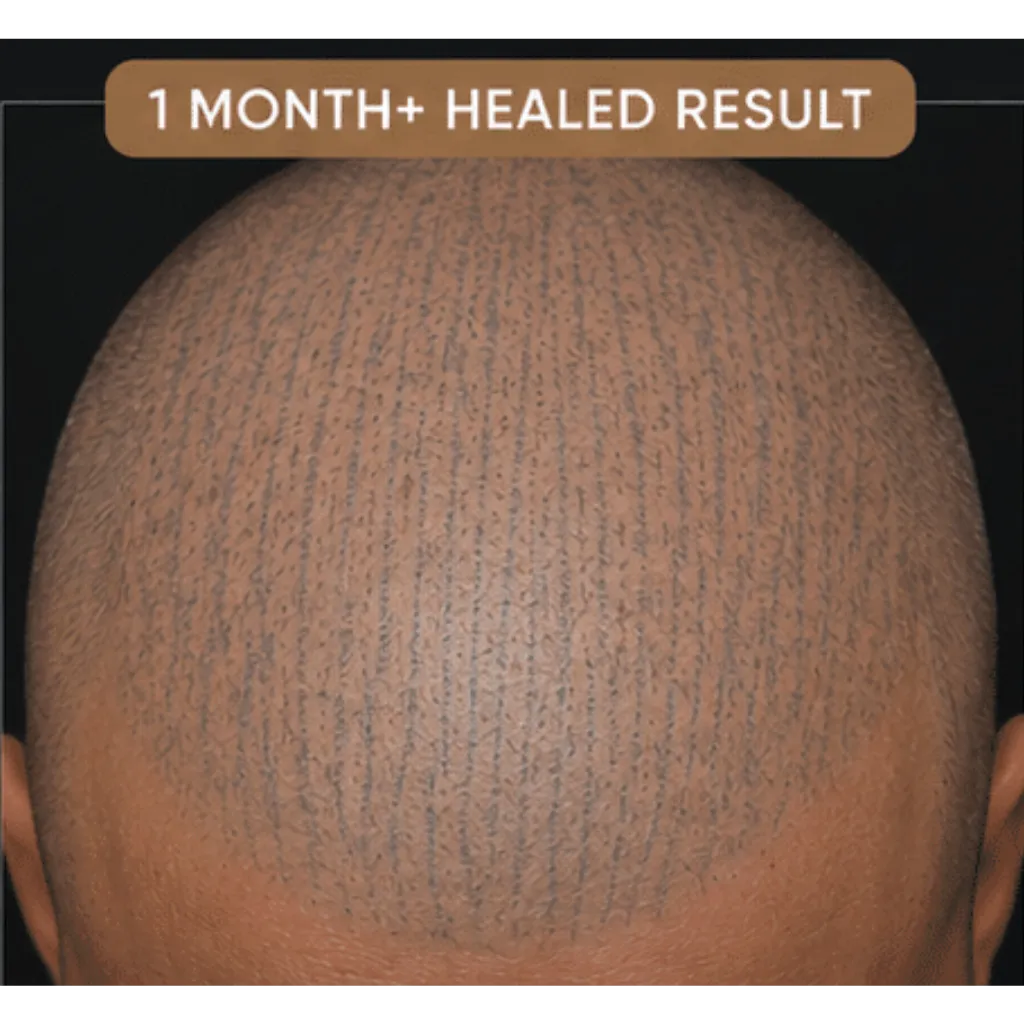
Healed Result
Lines are blurred and inconsistent. Ink has migrated and spread. Blue/green hue may appear. Looks unnatural and blown out.
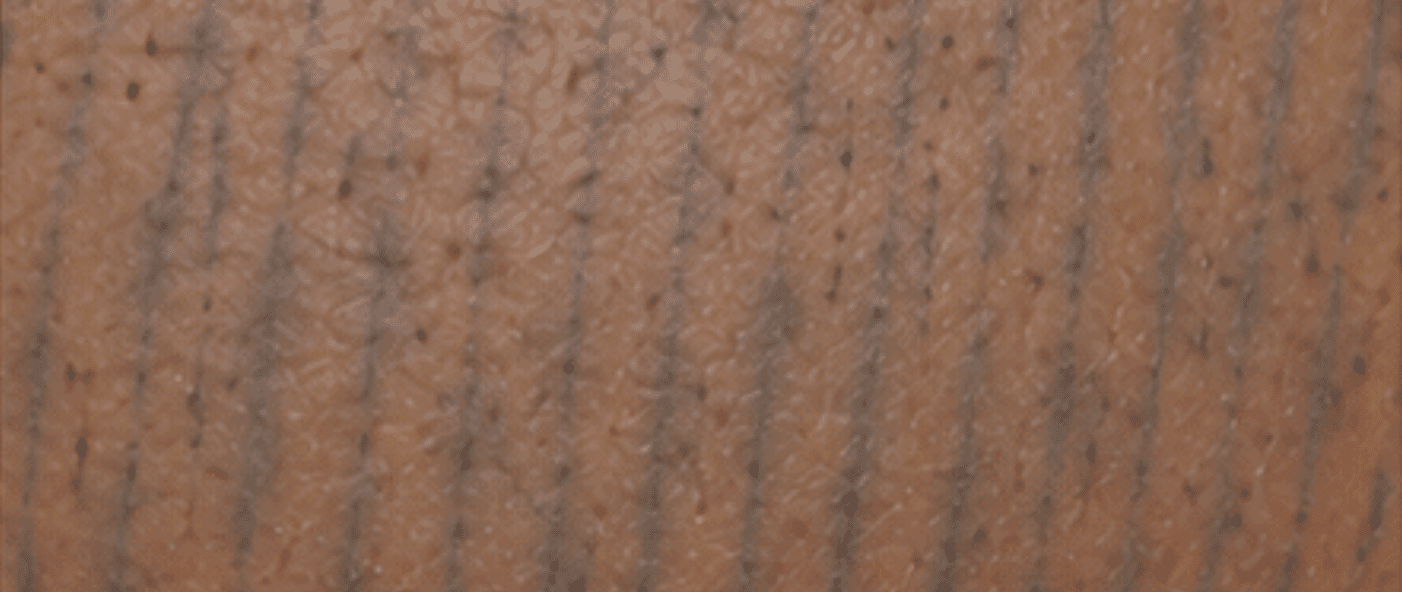
Lines are not Follicular Impressions.
They sit in a straight line, not in a follicle, causing ink to migrate and heal poorly over time.
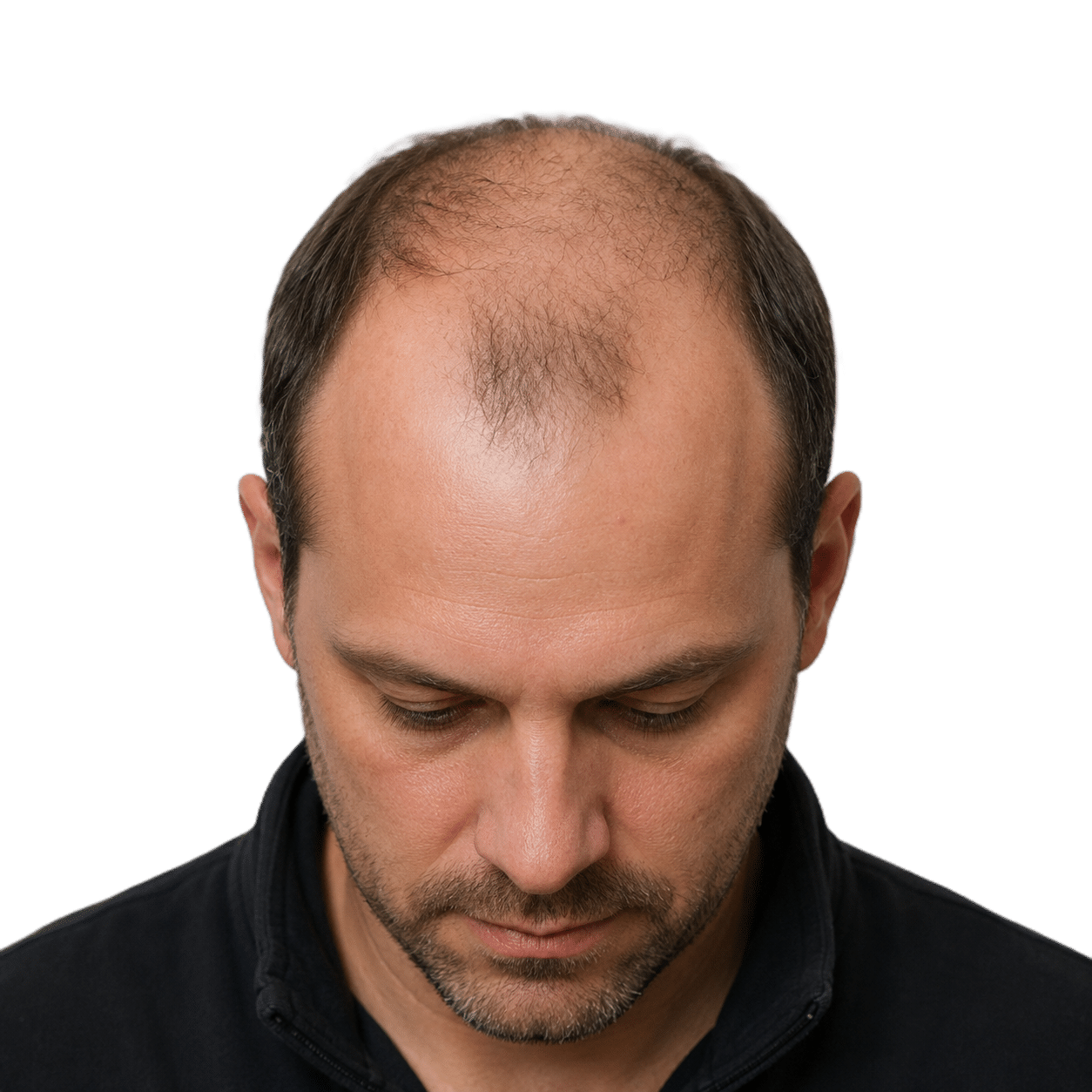
Before & After

FAQ's
Why do you use dots instead of lines?
Dots replicate the way natural hair follicles appear on the scalp—one impression at a time. Because they follow the natural pattern of hair growth, they heal more consistently and create a softer, more realistic result. Lines are more likely to widen or blur over time, making them appear less natural.
Will SMP look like real hair?
When performed correctly, scalp micropigmentation creates the illusion of closely shaved hair follicles rather than individual hair strands. The key to a natural appearance is proper pigment placement, colour matching, and healed results—not just how the treatment looks immediately after the procedure.
Does SMP blur over time?
All pigment softens slightly as it heals, but a properly performed dot technique is designed to maintain its shape and definition for years. Factors such as skin type, sun exposure, and aftercare also influence how well the results age.
Is SMP Permanent?
Scalp micropigmentation is considered a long-lasting cosmetic tattoo rather than a permanent one. Over time, the pigment gradually fades, which allows for subtle touch-ups to keep your results looking fresh and natural without becoming overly saturated.
Can Women Benefit from SMP?
Yes. Scalp micropigmentation isn't just for men. Women can benefit from SMP to reduce the appearance of thinning hair, create the illusion of greater density, camouflage visible scalp, or conceal scars. Every treatment is tailored to the individual's hair colour, skin tone, and hair loss pattern to achieve natural-looking, healed results.
About the Author

John Toti
With over 12 years of experience and thousands of successful procedures, John is a recognized expert in scalp micropigmentation. His mission is to educate, raise industry standards, and help every client feel confident again.
Related Educational Guides
Will Scalp Micropigmentation Help My Hair Loss?
How Long Does Scalp Micropigmentation Last?
Understanding SMP Longevity, Fading, and Proper Maintenance Reading time: 12–15 minutes Scalp micropigmentation is a long-lasting hair-loss solution, but maintaining healthy skin plays an important role in keeping your results looking sharp. Learn what causes SMP to...
Ready to take the next step?
Book a free consultation with John to discuss your goals and create a personalized treatment plan.
Table of Contents
 Latest Learning Center Guides
Scalp Micropigmentation for Black Women With Alopecia: Can SMP Help?
Will Scalp Micropigmentation Help My Hair Loss?
How Long Does Scalp Micropigmentation Last?
Understanding SMP Longevity, Fading, and Proper Maintenance Reading time: 12–15 minutes Scalp micropigmentation is a long-lasting hair-loss solution, but maintaining healthy skin plays an important role in keeping your results looking sharp. Learn what causes SMP to...
Categories
Need Help Deciding?
Book a free consultation to discuss your goals and find the right approach for you.