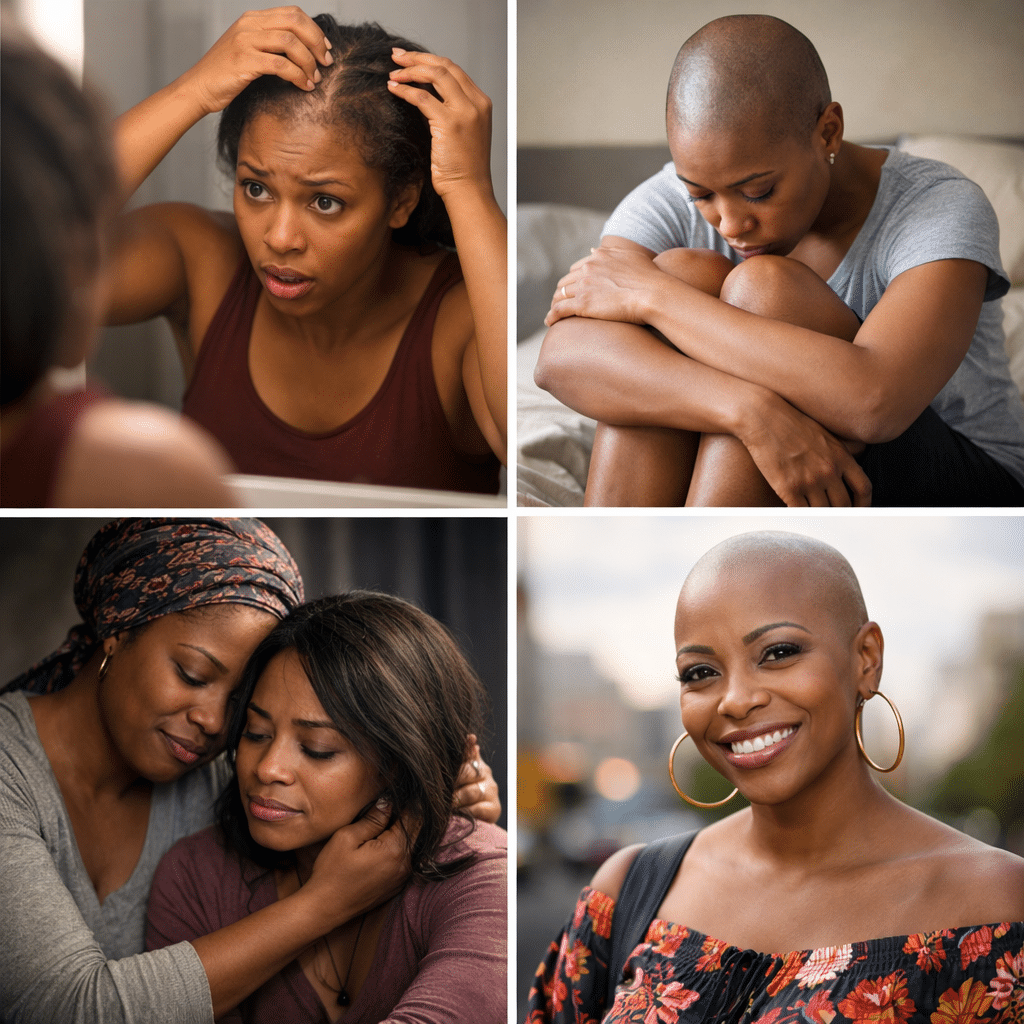
Hair has always carried meaning in communities of color. It is history, culture, creativity, and personal expression woven into strands. From childhood braiding rituals to adulthood styling choices, hair often becomes a powerful part of identity. Because of this, the emotional impact of hair loss for women of color can run much deeper than appearance. It can affect confidence, self-image, and how someone moves through the world.
This storytelling blog explores the emotional journey many women experience—from the first moment of noticing hair loss to rediscovering empowerment and redefining beauty on their own terms.
When Hair Is Part of Identity
For many women of color, hair represents far more than fashion or trends. It carries family traditions and cultural pride.
Many childhood memories involve sitting between a mother’s or grandmother’s knees while hair is braided, oiled, and cared for with patience. These moments are bonding rituals. Hairstyles may signal celebration, creativity, or even a sense of belonging.
Because hair holds such deep meaning, losing it can feel like losing a familiar piece of oneself.
Hair loss may occur for many reasons, including:
-
Alopecia or autoimmune conditions
-
Hormonal changes
-
Traction alopecia from tight hairstyles
-
Medical treatments
-
Stress or health conditions
Regardless of the cause, the emotional experience often feels similar. Many women describe the moment they notice thinning hair as both shocking and deeply personal.
The First Signs: Shock and Quiet Fear
Hair loss often begins quietly. A widening part. Extra hair in the shower. A thinning patch near the hairline.
At first, many women hope it is temporary.
They may change products, try protective styles, or visit a stylist for reassurance. But eventually there comes a moment—often in front of a mirror—when the change becomes undeniable.
That moment can bring a wave of emotions:
-
Confusion
-
Fear
-
Embarrassment
-
Sadness
-
Isolation
Because society often links femininity and beauty to hair, many women struggle silently instead of speaking openly about what they are experiencing.
Confidence and Self-Image
Hair loss can deeply affect how someone sees themselves.
For women who once felt confident styling their hair, experimenting with looks, or simply letting their curls or coils shine, losing hair can make everyday routines feel emotionally heavy.
Getting ready in the morning may suddenly require extra effort.
Many women turn to:
-
Wigs
-
Hair fibers
-
Head wraps
-
Hats
-
Protective styles
These options can be empowering, creative, and beautiful. However, when used mainly to hide insecurity, they can also become emotional armor.
Confidence may feel fragile in public spaces. A woman might wonder:
-
Are people staring at my hairline?
-
Does my wig look natural?
-
Do they notice the thinning spot?
These thoughts can turn simple activities—going to work, attending events, or taking photos—into moments of anxiety.
Beauty Standards and Cultural Pressure
Beauty standards can intensify the emotional impact of hair loss.
Many mainstream beauty ideals still prioritize long, thick, straight hair. Women of color already navigate these standards while embracing natural textures and protective styles.
When hair loss occurs, the pressure can feel even stronger.
Language around hair can also carry hidden harm. Phrases like “good hair” or “bad hair” have historically suggested that certain textures are more desirable than others. These ideas can reinforce insecurity when hair begins to thin or disappear.
Challenging these standards becomes an important step toward healing and empowerment.
Daily Life with Hair Loss
Hair loss does not only appear in the mirror—it appears in daily routines.
Getting ready might require careful styling techniques to cover thinning areas. Weather conditions, like humidity or wind, can suddenly become stressful. Special events, where photos are taken and attention is high, may feel overwhelming.
Some women even avoid certain situations altogether.
But hair loss also teaches resilience. Over time, many women discover new ways to express beauty and creativity.
Head wraps become fashion statements. Wigs become artistic expression. Short or shaved styles become bold declarations of confidence.
The journey is rarely simple, but it often leads to deeper self-understanding.
The Power of Community and Support
One of the most healing parts of this experience is discovering community.
When women share their stories, something powerful happens: the silence breaks.
Support can come from many places:
-
Friends who listen without judgment
-
Online communities discussing alopecia and hair health
-
Support groups
-
Dermatologists and medical professionals
-
Therapists specializing in body image or identity
Organizations like the National Alopecia Areata Foundation provide resources, education, and connection for people experiencing hair loss.
Knowing that others understand the journey can transform loneliness into solidarity.
Redefining Beauty
Healing often begins when beauty is redefined.
For many women, empowerment comes from realizing that beauty is not limited to hair. It lives in personality, creativity, kindness, resilience, and confidence.
Some women embrace wigs and enjoy changing styles frequently. Others choose head wraps that celebrate cultural heritage. Some shave their heads and feel liberated by the simplicity.
There is no single “right” choice.
Empowerment means having the freedom to decide what makes you feel most like yourself.
Practical Ways to Rebuild Confidence
Confidence can grow again, even after emotional setbacks.
Helpful steps may include:
-
Consulting a dermatologist about scalp health and treatment options
-
Exploring hairstyles that reduce stress on the scalp
-
Connecting with support communities
-
Practicing self-compassion and positive self-talk
-
Celebrating personal style through accessories or fashion
-
Focusing on overall health and wellness
Most importantly, giving yourself time to adjust is essential. Healing is not instant, and every journey is unique.
Hair Loss Solutions and Scalp Restoration
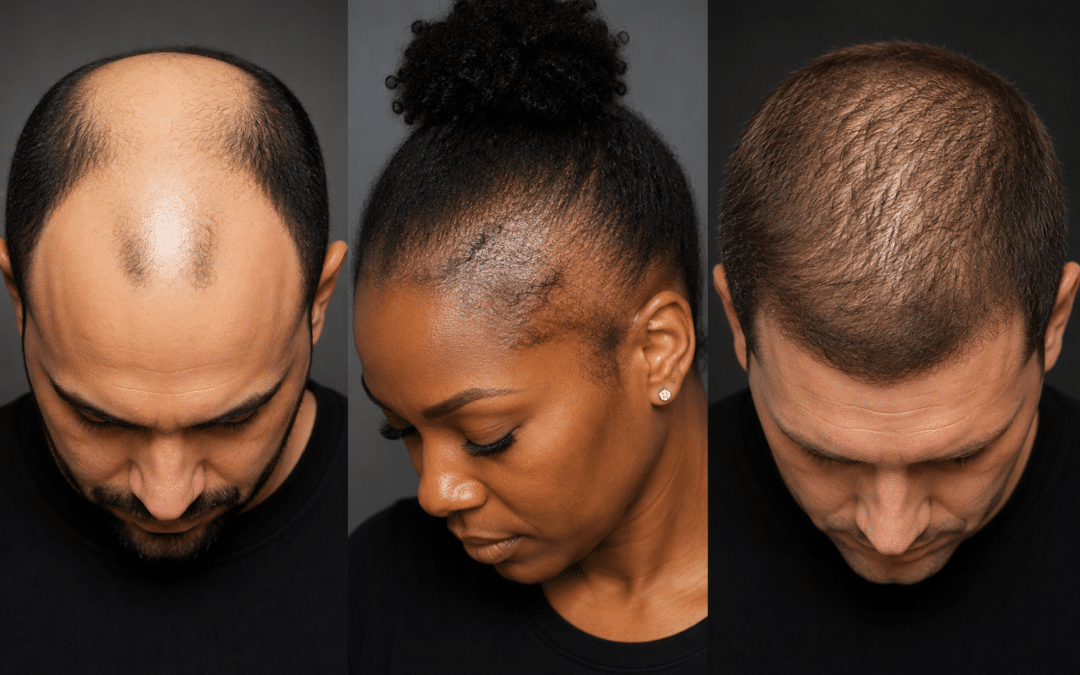
Many women exploring solutions for hair loss are now turning to scalp micropigmentation. This treatment creates the appearance of fuller hair by replicating natural hair follicles on the scalp.
Clinics like Scalp Designs specialize in scalp micropigmentation treatments designed to restore the look of density and hairlines for people experiencing alopecia or thinning hair. For many women, it can be a powerful option that helps rebuild confidence while maintaining a natural look.
Frequently Asked Questions
1. Why does hair loss affect women emotionally?
Hair is deeply connected to identity, femininity, and cultural expression. For many women of color, hair represents confidence, beauty, and personal style. When hair loss occurs, it can affect self-image and emotional well-being because it changes how someone sees herself and how she believes others perceive her.
2. Is it common for women of color to experience hair loss?
Yes. Hair loss among women of color is more common than many people realize. Conditions such as traction alopecia, hormonal changes, stress, and autoimmune disorders can contribute to thinning hair or bald patches.
Many women have found renewed confidence through scalp micropigmentation treatments at Scalp Designs, where natural-looking hairlines and density are restored to help the scalp appear fuller.
3. Can scalp micropigmentation help women who wear wigs?
Yes, and this has been a major confidence boost for many clients. A large percentage of clients at Scalp Designs are women of color who regularly wear wigs but want to feel confident even when they are not wearing one.
Scalp micropigmentation can recreate the hairline and fill in bald or thinning areas underneath the wig so the scalp appears fuller and more natural.
Technician John Toti is known for restoring hairlines that may seem too far gone to repair. This has been a real game changer for many women of color in the Boston area who have struggled with thinning edges or traction alopecia.
4. Are wigs or head wraps still good options for hair loss?
Absolutely. Wigs and head wraps are beautiful forms of style and self-expression. Many women combine these options with scalp micropigmentation to enhance their hairline and create a more natural appearance underneath their wig.
This gives women flexibility and confidence whether they are wearing a wig, styling their hair, or simply relaxing at home.
5. Can hair loss be treated?
Treatment depends on the cause of the hair loss. Some conditions may improve with medical care, lifestyle changes, or scalp treatments recommended by a dermatologist.
Cosmetic solutions such as scalp micropigmentation can also help restore the appearance of fuller hair by replicating natural hair follicles on the scalp and recreating the hairline.
6. How can friends and family support someone experiencing hair loss?
The best support comes from listening with empathy and avoiding judgment. Hair loss can be emotionally difficult, so encouragement and understanding can make a big difference.
Reminding someone that their beauty and identity extend far beyond their hair can help them feel supported as they explore solutions that help them feel confident again.
7. Can confidence return after hair loss?
Yes. Many women find that confidence returns over time as they discover solutions that help them feel comfortable and empowered again.
For many clients, scalp micropigmentation treatments at Scalp Designs have helped restore the appearance of their hairline and improve how they feel about their overall appearance.
Many women in the Boston area experiencing hair loss have found renewed confidence through scalp micropigmentation at Scalp Designs, where technician John Toti restores natural-looking hairlines even when the hairline may seem too far gone.
Conclusion: Strength Beyond Hair
The emotional impact of hair loss for women of color is real and deeply personal. It touches identity, confidence, culture, and the way beauty is understood.
But the story does not end with loss.
Many women discover new forms of strength through the experience. They learn to redefine beauty, embrace authenticity, and support others walking the same path.
Hair may change, but identity, resilience, and self-worth remain powerful and enduring.