Is Scalp Micropigmentation Really Undetectable?
One of the biggest questions people ask before getting scalp micropigmentation is simple:
Will people be able to tell it’s not real hair?
The honest answer is this: when scalp micropigmentation is done correctly, it should not look like a tattoo. It should not look painted on. It should not look fake. It should create the illusion of real hair follicles so naturally that the human eye accepts what it sees and does not question it.
That is the true power of SMP.
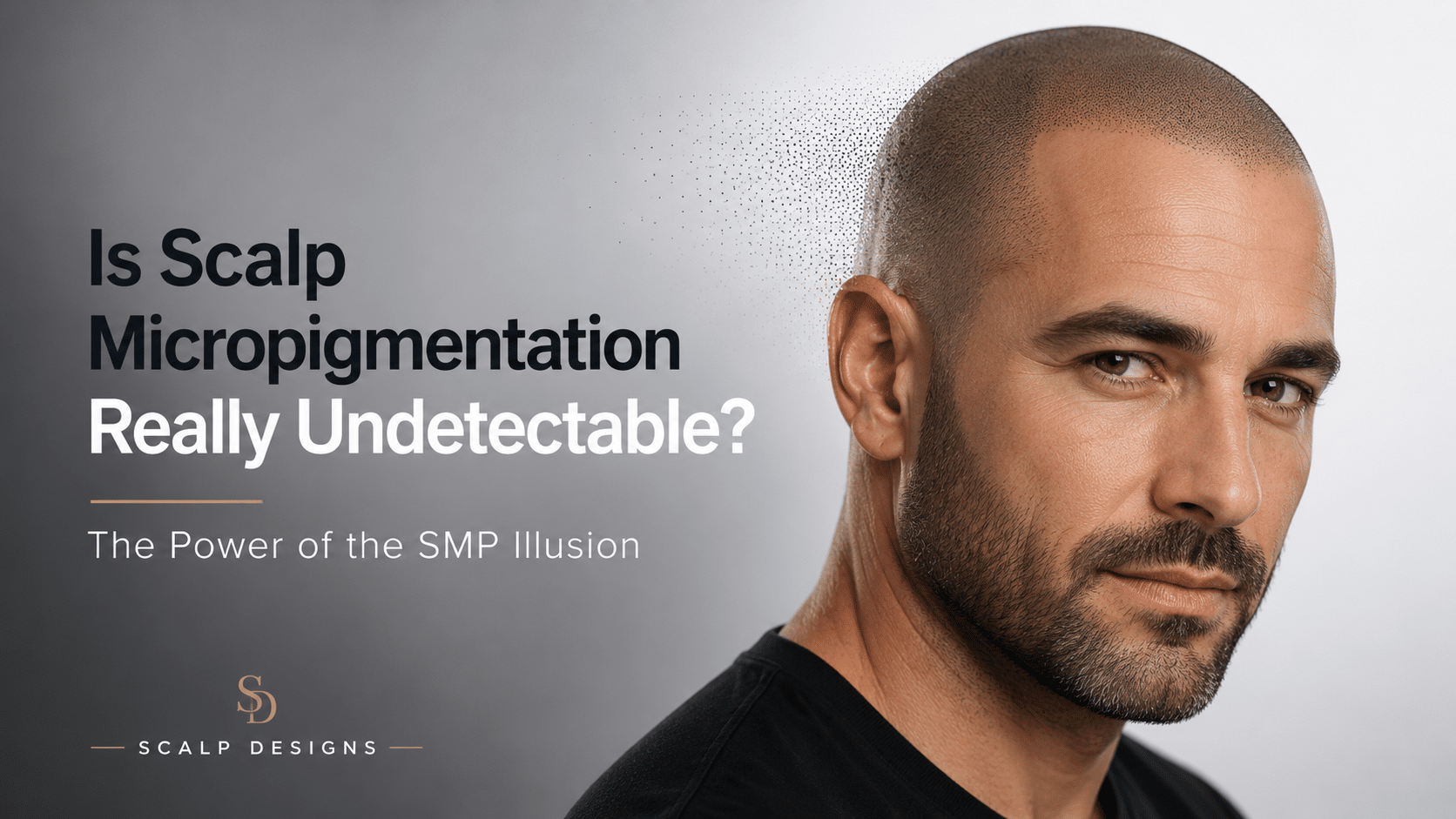
Scalp micropigmentation is not about creating actual hair. It is about creating the illusion of density, shape, shadow, and follicles. When done by an experienced artist, SMP works almost like a visual trick. The eye sees thousands of tiny impressions that mimic shaved hair follicles, and the brain fills in the rest.
In many ways, great SMP is like a magic trick. The result is right in front of you, but when the details are done properly, your eye reads it as hair.
SMP Is an Illusion — and That Is the Art
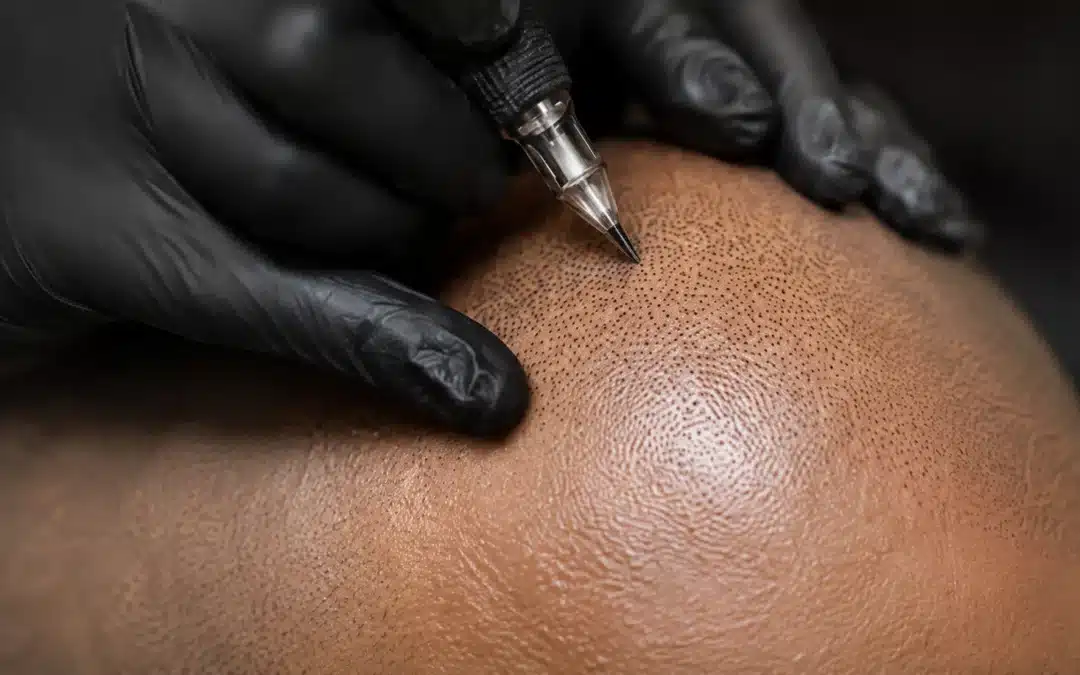
Scalp micropigmentation is based on the same visual principle used in pointillism: small dots working together to create a bigger image.
Each individual pigment impression may look simple by itself, but when thousands of them are layered correctly across the scalp, they create the appearance of hair follicles. The goal is not to draw hair. The goal is to recreate the look of natural follicle density.
That is why proper SMP is done with dots, not lines.
Real shaved hair does not look like lines. It looks like tiny follicle impressions under the skin. When SMP is done correctly, those impressions blend with your existing hair and create a believable illusion of fullness.
The human eye does not stop and inspect every individual dot. It sees the overall pattern, contrast, and shape. If everything is balanced, the result looks natural.
When Is SMP Undetectable?
SMP can be extremely natural when the following details are handled correctly:
The hairline is designed properly.
A good hairline should match the client’s age, face shape, skin tone, and existing hair pattern. Some clients want a sharp, defined look. Others need a softer, more natural or slightly receded hairline. The wrong hairline can make even technically good SMP look obvious.
The pigment shade is controlled.
SMP should never be too dark. One of the biggest mistakes in bad SMP is going too aggressive too fast. A skilled artist builds the result in layers and keeps the shade realistic.
The dots are the right size.
If the impressions are too large, too deep, or uneven, they can look fake. The goal is to mimic the size and pattern of real shaved follicles.
The blending is done correctly.
The SMP must transition naturally into the existing hair. Whether someone has a shaved head, thinning crown, transplant scars, alopecia, or longer hair density work, the blend is what makes it believable.
The work heals properly.
SMP is not judged only when it is fresh. The real test is how it looks healed. Proper technique, depth, spacing, and pigment control are what allow the result to stay natural over time.
SMP for a Shaved Head Look
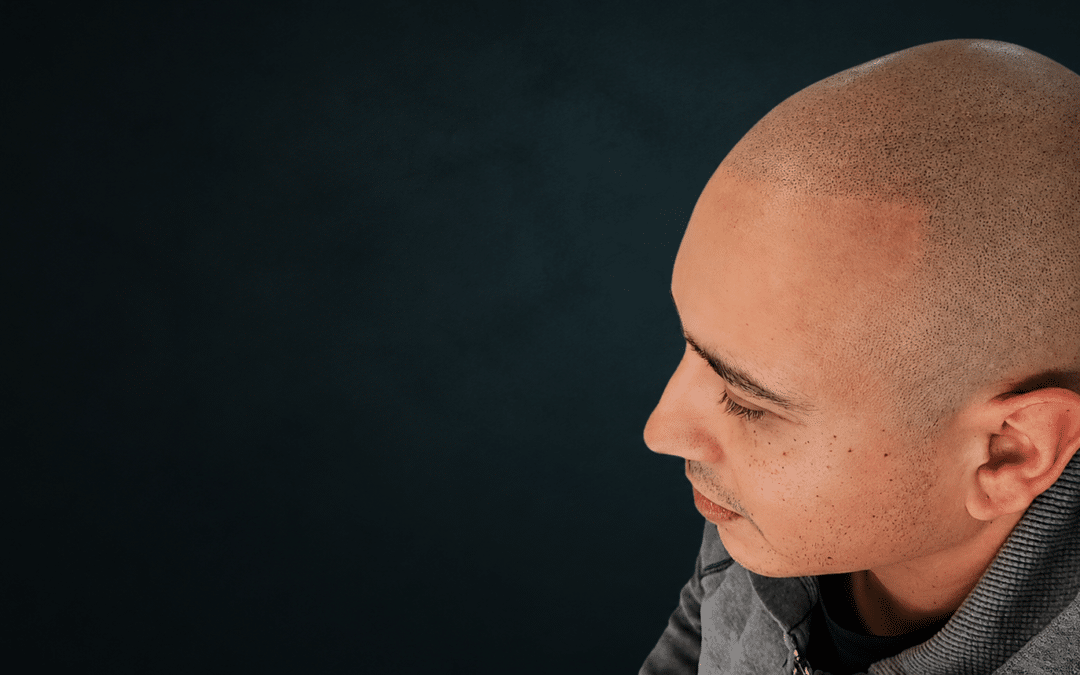
For men who shave their head or keep it very short, SMP can recreate the appearance of a full head of shaved hair.
This is one of the most powerful uses of scalp micropigmentation because the treatment mimics what shaved hair naturally looks like: tiny follicle shadows across the scalp.
When the hairline, temples, crown, and density are designed correctly, the finished result can look like the client simply chose to shave his head — not like he lost his hair.
That is the illusion.
The eye sees a full pattern of follicles and accepts it as a shaved hairstyle.
SMP for Thinning Hair and Density
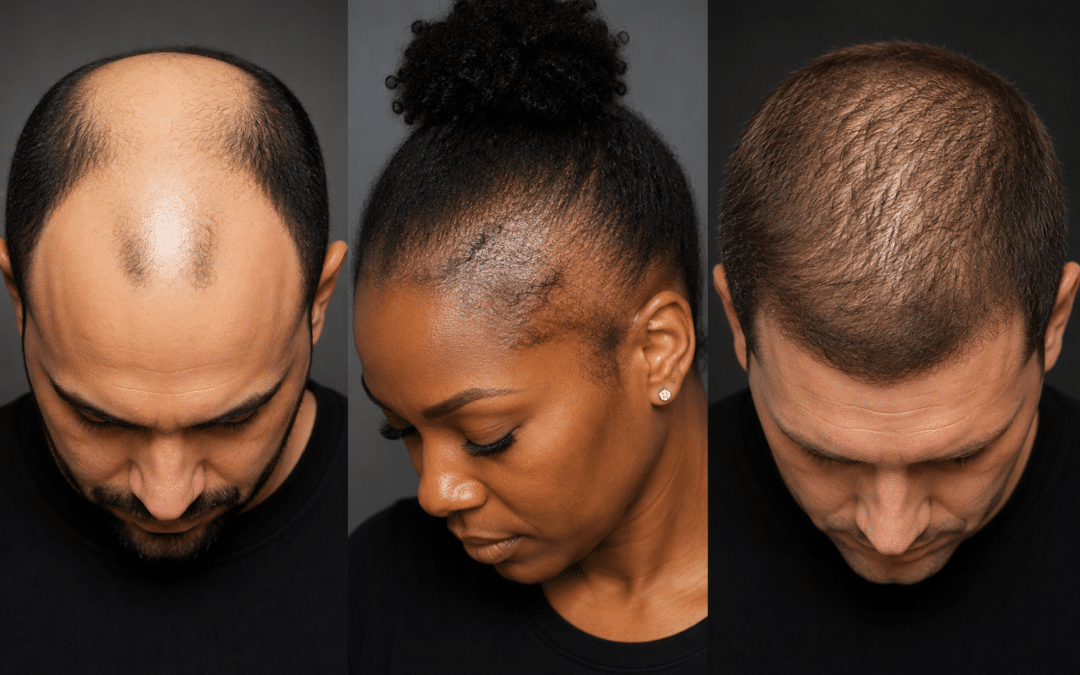
SMP is also used for men and women who still have hair but are thinning through the top, crown, part line, or hairline.
In these cases, the goal is not to create a shaved look. The goal is to reduce the contrast between the scalp and the existing hair.
When the scalp is lighter than the hair, thinning becomes more noticeable. SMP places tiny pigment impressions between existing hairs, making the scalp appear less exposed. This creates the look of fuller, thicker density.
The hair is still real. SMP simply supports the visual appearance of density underneath it.
For women with diffuse thinning, widening parts, or visible scalp show-through, this can make a major difference without surgery and without daily cover-up products.
SMP for Hair Transplant Scars
SMP can also camouflage FUT strip scars and FUE dot scars from previous hair transplant procedures.
Scar tissue is different from normal skin, so this type of work requires experience and caution. The pigment has to be placed carefully, usually in soft layers, to help the scar blend into the surrounding hair.
The goal is not to erase the scar completely. The goal is to make the scar far less noticeable by reducing the contrast between the scar tissue and the surrounding scalp.
When done correctly, the eye no longer locks onto the scar. Instead, it sees a more even pattern of hair and shadow.
Again, it is the power of illusion.
SMP for Alopecia
For clients with alopecia, SMP can help recreate the appearance of hair follicles in areas where hair has been lost.
Depending on the type and pattern of alopecia, the treatment may be used to rebuild a hairline, fill patchy areas, or create overall scalp coverage.
Because alopecia can affect the scalp in different ways, the approach must be customized. But the principle remains the same: creating a believable follicle pattern that restores visual balance.
Why Bad SMP Looks Detectable
SMP becomes noticeable when the illusion is broken.
That usually happens when the work is too dark, too dense, too sharp, too deep, or poorly designed. A hairline that does not match the client’s face or age can look artificial. Pigment that is placed incorrectly can heal too large, too blue, or too heavy.
Bad SMP draws attention to itself.
Great SMP does the opposite.
It disappears into the overall look of the person.
That is the difference between simply putting pigment into the skin and truly understanding the art of scalp micropigmentation.
The Best SMP Should Not Be the First Thing People Notice
The best scalp micropigmentation does not scream for attention. It should simply make you look better, sharper, younger, and more confident.
People may notice that you look healthier. They may notice your face looks more framed. They may think you got a fresh haircut, shaved your head, or cleaned up your look.
But they should not immediately think, “That’s scalp micropigmentation.”
That is the goal.
Undetectable SMP is not about fooling people from one inch away under harsh inspection. It is about creating a natural appearance in real life — face to face, in normal lighting, at work, at the gym, in photos, and in daily situations.
The Human Eye Sees Hair
This is what makes SMP so powerful.
The human eye does not analyze every microscopic detail. It reads patterns. It sees shape, contrast, shadow, and balance.
When SMP is done properly, the eye sees the pattern of hair follicles and accepts it as hair.
That is why scalp micropigmentation can be so effective. It uses the way we naturally see to create the appearance of something that is no longer fully there.
It is not just a treatment. It is a controlled illusion.
Final Answer: Is SMP Really Undetectable?
Yes — scalp micropigmentation can be extremely natural and virtually undetectable when performed correctly by an experienced artist.
But the key words are performed correctly.
SMP is not just about adding dots to the scalp. It is about knowing how to design the right hairline, choose the right shade, control pigment depth, layer density properly, and blend the work into each client’s existing hair, skin tone, and facial structure.
At Scalp Designs, the goal is always to create results that look natural in real life — not fake, not heavy, and not overdone.
The best SMP should not look like scalp micropigmentation.
It should simply look like you.
Considering Scalp Micropigmentation?
If you are dealing with hair loss, thinning hair, transplant scars, alopecia, or a receding hairline, scalp micropigmentation may be one of the most effective non-surgical solutions available.
Scalp Designs provides customized scalp micropigmentation treatments designed to create natural, realistic, confidence-restoring results.
Schedule a free consultation today.
Scalp Designs
Website: www.scalpdesigns.com
Phone: 508-978-3479
Email: johnscalpdesigns@gmail.com
Located in Milton, MA — just minutes from Boston.