If you’re researching scalp micropigmentation in Boston, Greater Boston, or the South Shore, you’re likely doing so carefully—and that’s exactly how it should be. SMP is not a trend or a quick fix. It’s a precision-based procedure where results depend entirely on experience, technique, and long-term planning.
This guide answers the most common questions people ask before booking scalp micropigmentation, so you can make an informed, confident decision.
What Is Scalp Micropigmentation?
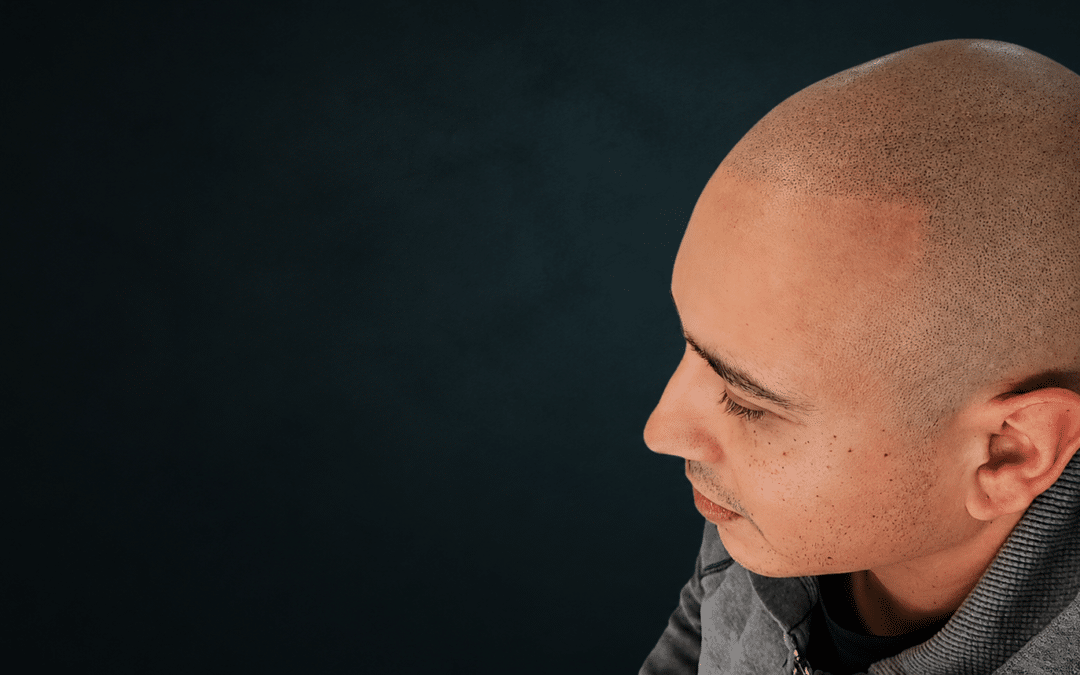
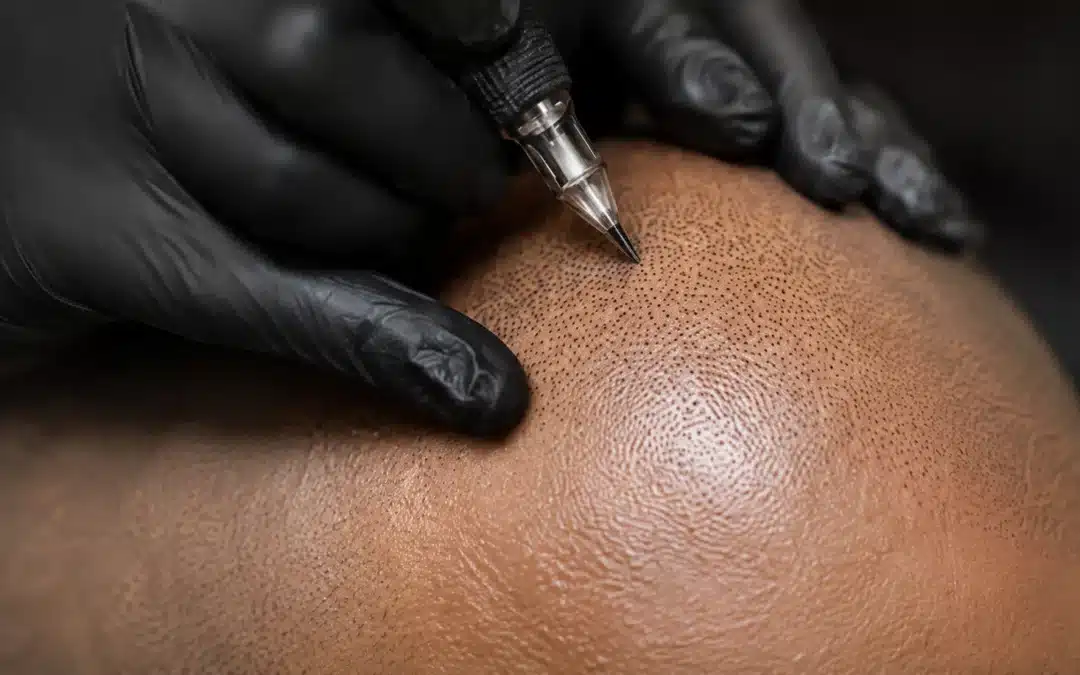
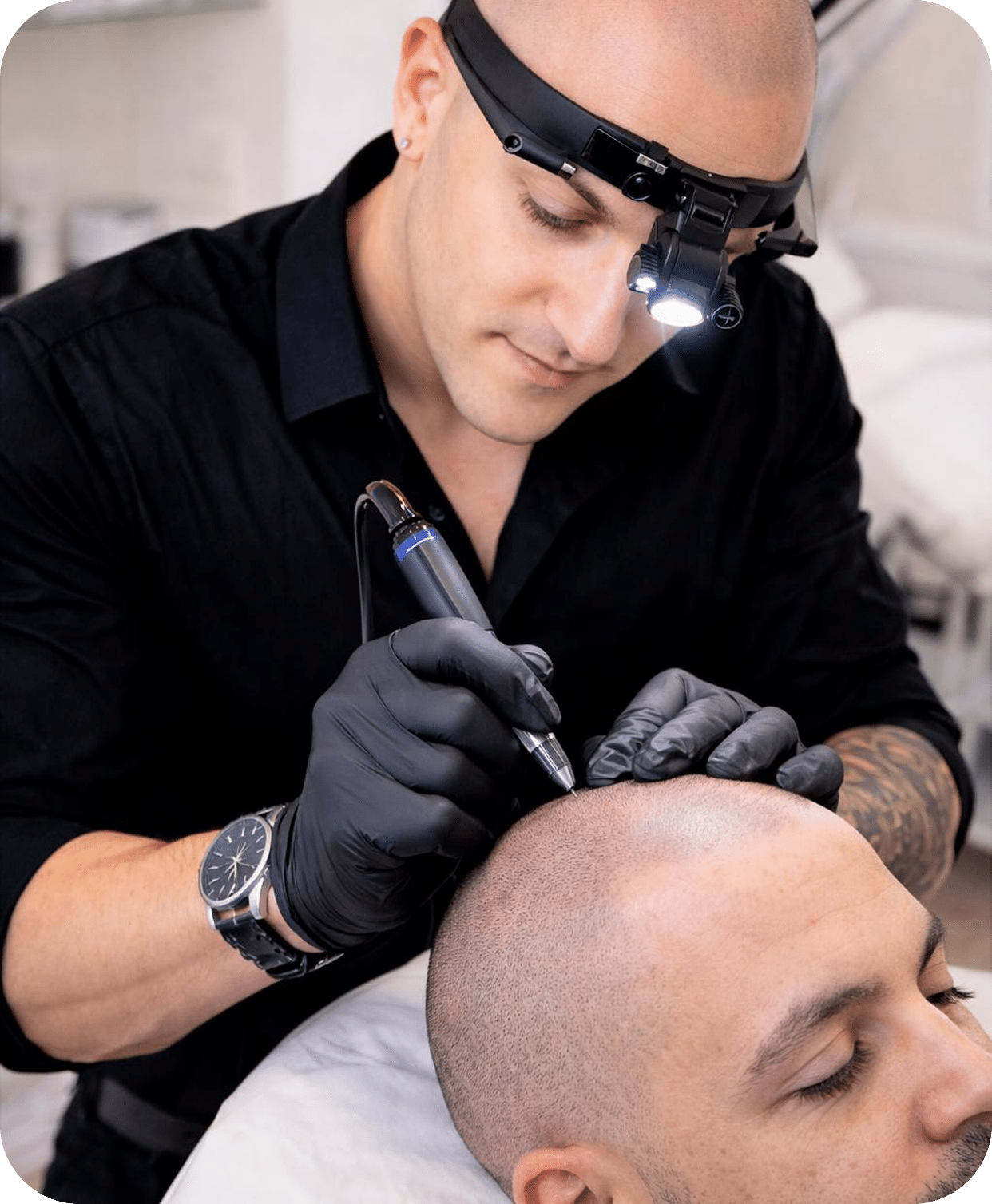
Scalp micropigmentation (SMP) is a non-surgical cosmetic procedure that uses specialized pigment and micro-needles to replicate the appearance of natural hair follicles on the scalp. The goal is to reduce the contrast between hair and scalp, creating the look of fuller hair or a clean, closely shaved style.
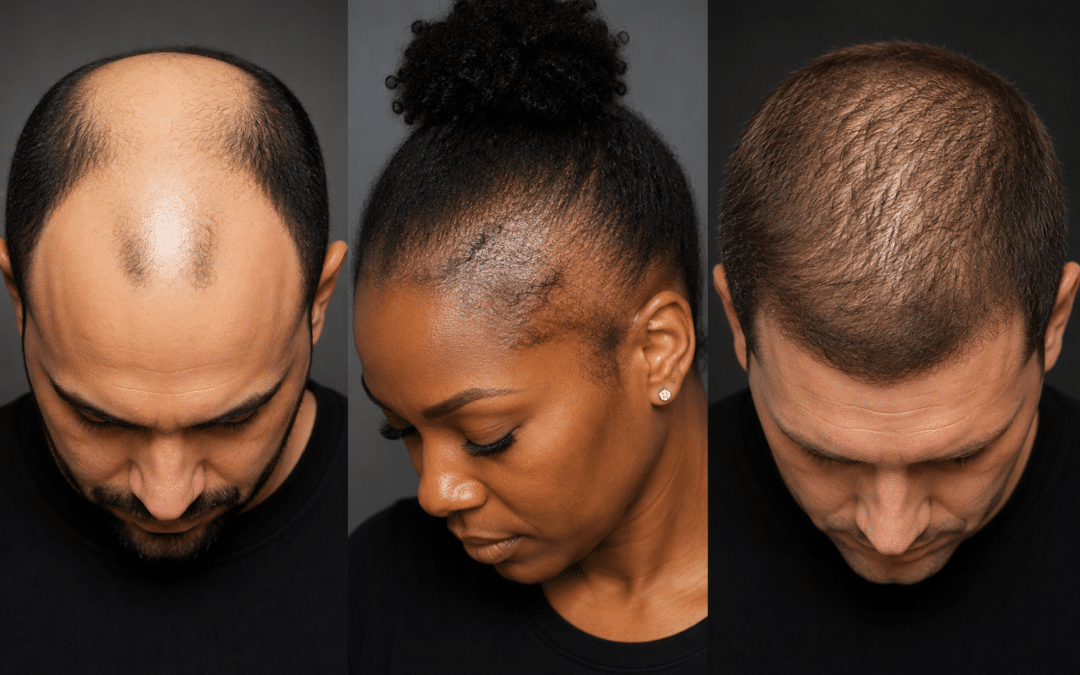
At Scalp Designs, clients travel from Boston, Greater Boston, and the South Shore for SMP solutions that address:
-
Baldness and shaved head look
-
Thinning hair and diffuse density loss
-
Receding hairlines
-
Alopecia
-
Hair transplant scar camouflage (FUE & FUT)
Does Scalp Micropigmentation Look Natural?
This is the most important question—and the one that matters most long term.
When SMP is done correctly, it should look natural in:
-
Daylight and outdoor lighting
-
Indoor and office lighting
-
Close-up inspection
-
Sweat, movement, and everyday life
Natural results come from conservative hairline design, proper dot size, controlled spacing, and layered sessions. Overly dark pigment or rushed work is what causes SMP to look artificial.
Is Scalp Micropigmentation Permanent?
Scalp micropigmentation is long-lasting, not permanent.
The pigment fades gradually and evenly over time. This is intentional and preferred. Factors that affect longevity include:
-
Skin type
-
Sun exposure
-
Lifestyle and activity level
-
Aftercare habits
Some clients choose optional touch-up sessions years later to maintain optimal results. Be cautious of anyone claiming SMP will never fade—this is unrealistic and often leads to future issues.
How Many Sessions Are Required?
Most scalp micropigmentation treatments require three sessions, typically spaced about 7 days apart.
Each session serves a purpose:
-
Session 1: Establishes the base layer
-
Session 2: Builds density and adjusts based on healing
-
Session 3: Final refinement and blending
Rushing the process increases the risk of unnatural results.
Is There Downtime After SMP?
There is no surgical downtime.
Most clients return to work the same day. Aftercare guidelines usually include:
-
No shampooing for a few days
-
Avoiding heavy sweating immediately after sessions
-
Protecting the scalp from sun exposure during healing
This makes SMP a practical option for busy professionals throughout Boston and the South Shore.
Can SMP Be Done for Thinning Hair or Long Hair?
Yes. SMP is commonly used for density enhancement without shaving.
This technique places pigment between existing hair to reduce scalp visibility and is effective for:
-
Widening part lines
-
Thinning crowns
-
Diffuse thinning
This option is popular with clients in Greater Boston who want discreet results without changing their hairstyle.
What About SMP for Women?
Women’s scalp micropigmentation requires a more conservative, customized approach.
It involves:
-
Softer pigment tones
-
Lighter layering
-
Precision around part lines and temples
When done correctly, SMP for women is subtle, natural, and virtually undetectable—even with long hair.
Can SMP Work for Grey or Salt-and-Pepper Hair?
Yes—with proper expectations.
Lighter pigment tones are used to blend naturally with grey hair. The goal is not to darken hair unnaturally, but to reduce scalp contrast and enhance density in an age-appropriate way.
What Maintenance Is Required?
Maintenance depends on the style.
Shaved SMP
-
Regular scalp shaving
-
Moisturizing
-
Sun protection
Density SMP
-
Minimal maintenance beyond normal hair care
Compared to daily hair fibers or ongoing treatments, SMP is considered a low-maintenance solution.
Is SMP Better Than Hair Fibers or Hair Transplants?
SMP is different—not necessarily better for everyone.
SMP:
-
Is non-surgical
-
Has no recovery downtime
-
Does not rely on donor hair
-
Can correct or complement failed hair transplants
Many clients from Boston and the South Shore choose SMP after hair fibers become inconvenient or after hair transplant scars remain visible.
How Do I Know If I’m a Good Candidate?
The best way to determine candidacy is through a professional consultation.
If you’re considering scalp micropigmentation in Boston, a proper consultation should evaluate:
-
Your hair loss pattern
-
Skin type
-
Expectations
-
Long-term goals
Education should come before any treatment plan.
Final Thoughts
Scalp micropigmentation is not about creating a perfect hairline—it’s about creating a believable, natural solution that fits your lifestyle, age, and expectations.
When performed correctly, SMP is one of the most effective, low-maintenance hair loss solutions available for clients in Boston, Greater Boston, and the South Shore.
Book a Free Scalp Micropigmentation Consultation in Boston
Choosing scalp micropigmentation is about trust, experience, and realistic expectations. At Scalp Designs, consultations are designed to educate you, answer your questions honestly, and determine whether SMP is the right solution for you.
If you’re located in Boston, Greater Boston, or the South Shore, schedule a free consultation to receive a personalized assessment and clear next steps—no pressure, no guesswork.